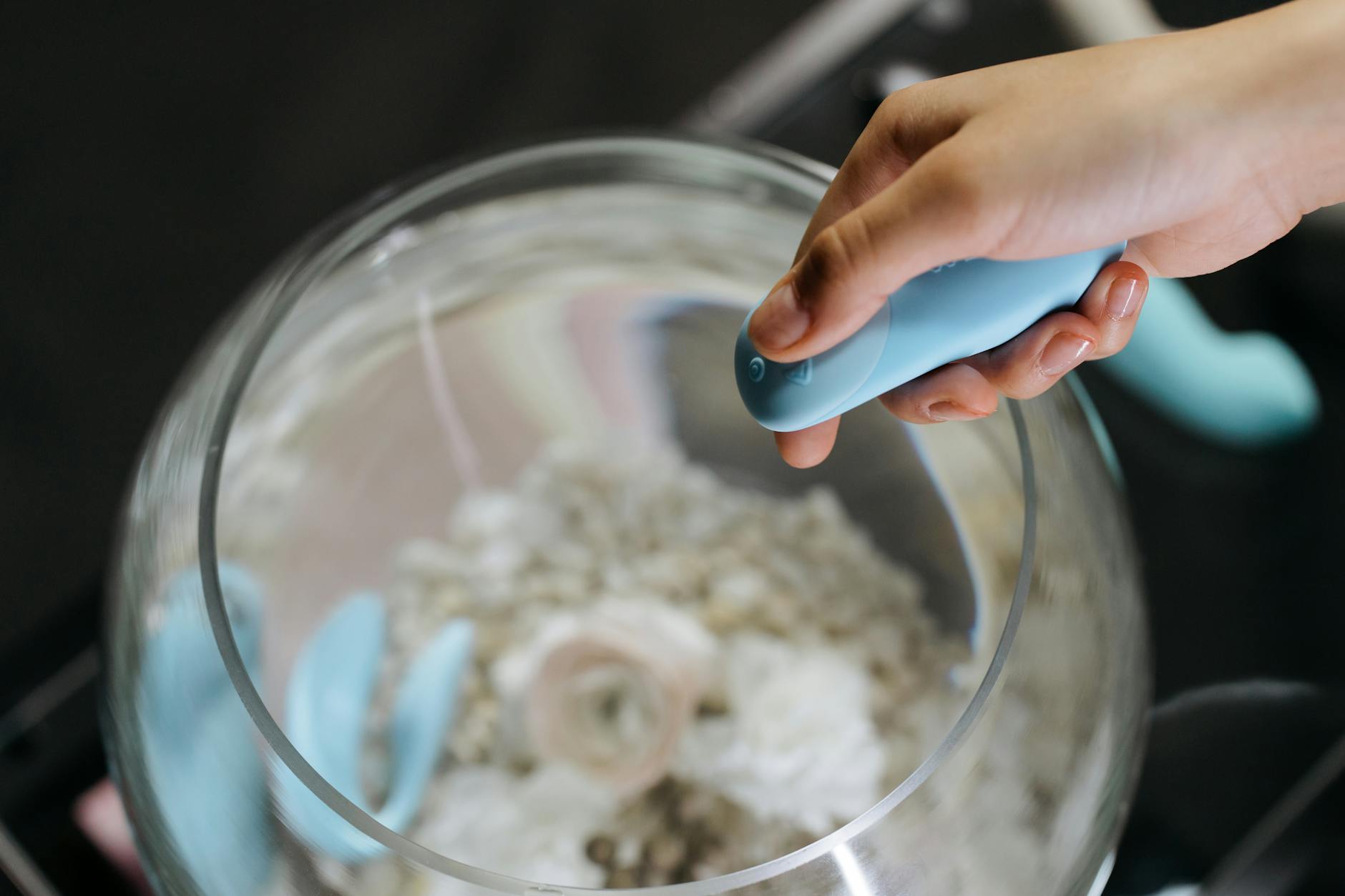
Let's be real. You're using your lemon vibrator, sensation is building beautifully, and then it just... stops. Not in a bad way. Just flat. Like your body hit an invisible ceiling and decided it was staying there. You can keep going, the vibrations are still happening, but nothing's climbing higher. It's not pain, it's not numbness exactly, it's just static.
This happens constantly. And almost everyone assumes it's either their body failing or their toy losing power. It's neither.
What you're experiencing is an orgasmic plateau, and understanding it changes everything about how you use a clitoral vibrator.
The neuroscience of what's actually happening
Your nervous system has a built-in circuit breaker. When stimulation reaches a certain intensity level and stays there continuously, your brain literally stops registering the signal as new information. It's called sensory adaptation, and it happens with every single sense you have. Touch a soft blanket to your arm and you feel it immediately. Keep it there for 30 seconds and suddenly you forget it's there.
With vibrators, this happens faster than with manual stimulation because the vibration is perfectly consistent. Your clitoral tissue is exquisitely sensitive, but it's also exquisitely smart. When it figures out the pattern isn't changing, it stops sending "alert" signals to your brain.
You're not numb. Your tissue is working perfectly. Your nervous system is just saying "okay, we've got this information, moving on."
The solution isn't to push harder or switch to a stronger vibrator. It's to interrupt the pattern.
Why continuous stimulation at one intensity stalls the climb
Your clitoris doesn't want monotony. It wants contrast. Arousal builds through variation, through surprise, through change. When you press the same pattern at the same pressure against the same spot with zero variation, your nervous system essentially files that information and gets bored.
Here's the tricky part. It feels like you should need more intensity to keep climbing. Your instinct says "I'm plateauing, I must need a higher setting." But switching from pattern 3 to pattern 5 might actually jolt you out of the plateau for a few seconds, then you'll hit it again just as hard.
The plateau isn't a sign you need more power. It's a sign you need more novelty.
The four techniques that actually restart the climb
Once you understand what's happening, restarting is relatively simple. You're not broken. You just need to surprise your nervous system.
Technique one: The pause and resume.
This is the simplest one and it works immediately. When you feel yourself hitting the plateau, lift the toy away completely for 8-12 seconds. Full silence. Full loss of contact. This resets your nervous system's baseline. Then resume at the exact same setting. The sensation will feel new again, even though nothing changed. Your body gets a reset signal, and stimulation climbing resumes. You can do this multiple times in a single session.
Technique two: The pattern shift.
Instead of increasing intensity, change the pattern entirely. If you've been on a steady pulse, switch to a wave. If you've been on a ramp pattern, try the rhythm. You're keeping the intensity in the same range but feeding your brain new information. This works especially well with the Hello Nancy lemon vibrator, which has distinct pattern variations designed specifically for this kind of switching without losing your building sensation.
Technique three: The pressure variation.
Keep the vibrator on, keep the pattern, but shift how firmly you're pressing. Pull back slightly so you're using lighter contact, then increase again. This creates micro-variations in sensation that keep your nervous system engaged. You're not changing the toy's settings, you're changing the interface between the toy and your body. The clitoris responds intensely to pressure changes.
Technique four: The location micro-shift.
Move the vibrator slightly off center while maintaining contact. Even a movement of 2-3 millimeters hits different nerve endings. Your clitoris is densely mapped neurologically. Different parts respond differently. Tiny movements can restart sensation building that felt completely stuck. This works especially well if you've been stimulating the tip of the clitoris and hit a plateau. Shift to the side or try the hood.
Why your body isn't the problem
If you're reading this thinking "this never happens to me, I just keep going," that's great. Some nervous systems are less susceptible to sensory adaptation, or you might naturally vary your stimulation without thinking about it. But if you're experiencing the plateau consistently, it's not because your tissue is less sensitive or you're less capable of pleasure. It's literally just how adaptation works.
Interestingly, clitoral sensitivity often increases after you understand this pattern. Once you stop fighting the plateau and start working with your nervous system instead, the plateaus become shorter and shallower. Your body learns that variation exists and stays more engaged.
Some people also experience plateaus more dramatically during certain parts of their cycle, or if they're using the vibrator when they're not fully aroused mentally. A lemon vibrator does incredible work on tissue, but your brain is the real controller. If you're distracted or not fully present, adaptation happens faster.
The relationship between pattern switching and sustained pleasure
One misconception about vibrators is that you're supposed to find "the one" and stay there until something happens. In reality, building to deep orgasm usually involves intentional pattern changes. Most people who report the most intense orgasms with clitoral vibrators aren't rigid about technique. They're playing.
They start with a gentle pattern, let sensation build for 30-60 seconds, switch when they feel the plateau arriving, stay there for another phase, shift again. They're actively working with their nervous system, not passively waiting for a vibrator to do the work.
This is also why introducing a lemon vibrator to a partner can transform shared pleasure. Partners often instinctively vary pressure and location. A vibrator giving consistent input all by itself is powerful, but a vibrator with a partner who's paying attention and adjusting? That's a different experience entirely.
When a plateau signals something else
Most plateaus are just sensory adaptation. But if you hit a plateau and can't restart sensation climbing even with pattern changes and breaks, something else might be happening.
Dehydration flattens pleasure. Even mild dehydration reduces blood flow to genital tissue, which changes how sensation registers. Drink water first, then try again.
Antidepressants and certain medications can dampen sensation building specifically, even if individual sensations feel fine. If this is new and you've started a medication, that's worth discussing with your doctor.
Stress and distraction are massive. If your mind is occupied, your nervous system won't track pleasure as vividly. You might feel sensation but not experience the building quality that typically precedes deeper orgasm.
And some tissues genuinely are more prone to adaptation because of hormonal or structural factors. This isn't bad, it just means you might naturally benefit from techniques like the pause and resume more than someone else would. If your clitoral tissue is particularly sensitive, adaptation can happen even faster.
The real reason you're not broken
Orgasmic plateaus are universal. They happen to every person with a clitoris at some point. They're not a sign of aging, numbness, or reduced capacity. They're literally just your nervous system doing exactly what it's supposed to do: processing novel information and filing away repetition.
Once you accept that, the plateau becomes useful information instead of frustrating failure. It's your body saying "okay, I got that, what's next?" And when you know how to answer with variation and surprise, pleasure builds deeper than it did before.
FAQ: Your Questions Answered
Does sensory adaptation mean my clitoris is losing sensitivity permanently?
No. Sensory adaptation is immediate and reversible. The second you change the stimulus or take a brief pause, your nervous system re-engages. If you stopped using your vibrator for a week, your clitoris would have the exact same sensitivity as before. Adaptation happens in seconds and resets just as fast.
Is the plateau different for people over 40?
Hormonal changes can affect how quickly plateau arrives, but the mechanism is identical. Some people report that post-40, particularly if hormonal shifts are happening, plateaus arrive slightly faster. This isn't because tissue is "less sensitive." It's usually because changes in blood flow or estrogen affect the initial building phase, which can push the plateau point earlier. The solutions remain the same: variation and pause-reset.
Can I avoid plateaus entirely by switching to a stronger vibrator?
No. Increasing intensity might delay the plateau slightly, but it will still arrive. A stronger vibrator is useful if you need more oomph to reach sensation building in the first place, but once you're in the experience, it's variation that matters, not raw power. The lemon vibrator patterns are designed with this in mind.
Why does the pause-and-resume technique work so fast?
Your nervous system measures information as "change." When stimulation stops completely, that's the most extreme change possible. Your brain instantly re-establishes a baseline. When you resume exactly what you were doing, it feels new because the context changed. It's not magic. It's neurology.
Do men experience this plateau with vibrators too?
The clitoris is the primary erogenous tissue for people with vulvas. Men have different neurological architecture and typically don't experience the same sensory adaptation pattern during penile stimulation. That said, any nerve-rich tissue can adapt with perfectly consistent input, so the principle exists across bodies.
Should I try multiple orgasms when I hit a plateau?
Some people naturally move into multiple orgasm territory once they understand pattern variation. But the plateau and multiple orgasms are different things. You can break a plateau without pursuing multiple orgasms, or you can use plateau awareness to build into a multiple orgasm session. Both are valid.
Your pleasure is the goal. The vibrator is just the tool. Once you understand how your nervous system actually works, you get to choose what happens next.