Let's start with what actually changes
Scar tissue and textured external tissue feel different to you and respond differently to vibration. That's not a problem to solve. It's a map you need to relearn. Most people with scarring or textured vulval tissue assume pleasure is compromised. It's usually just relocated.
I work with clients who've had everything from minor tears to significant surgical scarring. The consistent finding: pleasure is absolutely possible, sometimes more intense than before, because you're working with heightened awareness instead of assumption.
How scarring changes sensation
Scar tissue is denser than the original tissue. It conducts vibration differently. Where your clitoris used to light up evenly across the surface, scarring might create pockets of heightened sensation or areas that feel numb. Some people report that vibration travels differently now, spreading wider or concentrating more sharply.
Textured tissue from childbirth, vulvodynia treatment, or other conditions creates an uneven landscape. A vibrator that worked beautifully on smooth tissue might feel jarring against texture, or might miss the sweet spots entirely because the angle is wrong.
Here's the crucial part: this doesn't mean your clitoris is broken. It means the signal path has changed. Your body isn't defective. The map is just different.
Starting your relearning process
Begin solo. Not because partnered pleasure is off limits, but because you need uninterrupted attention to find your new sensation zones. Solo exploration removes the performance pressure that clouds your ability to feel what's actually happening.
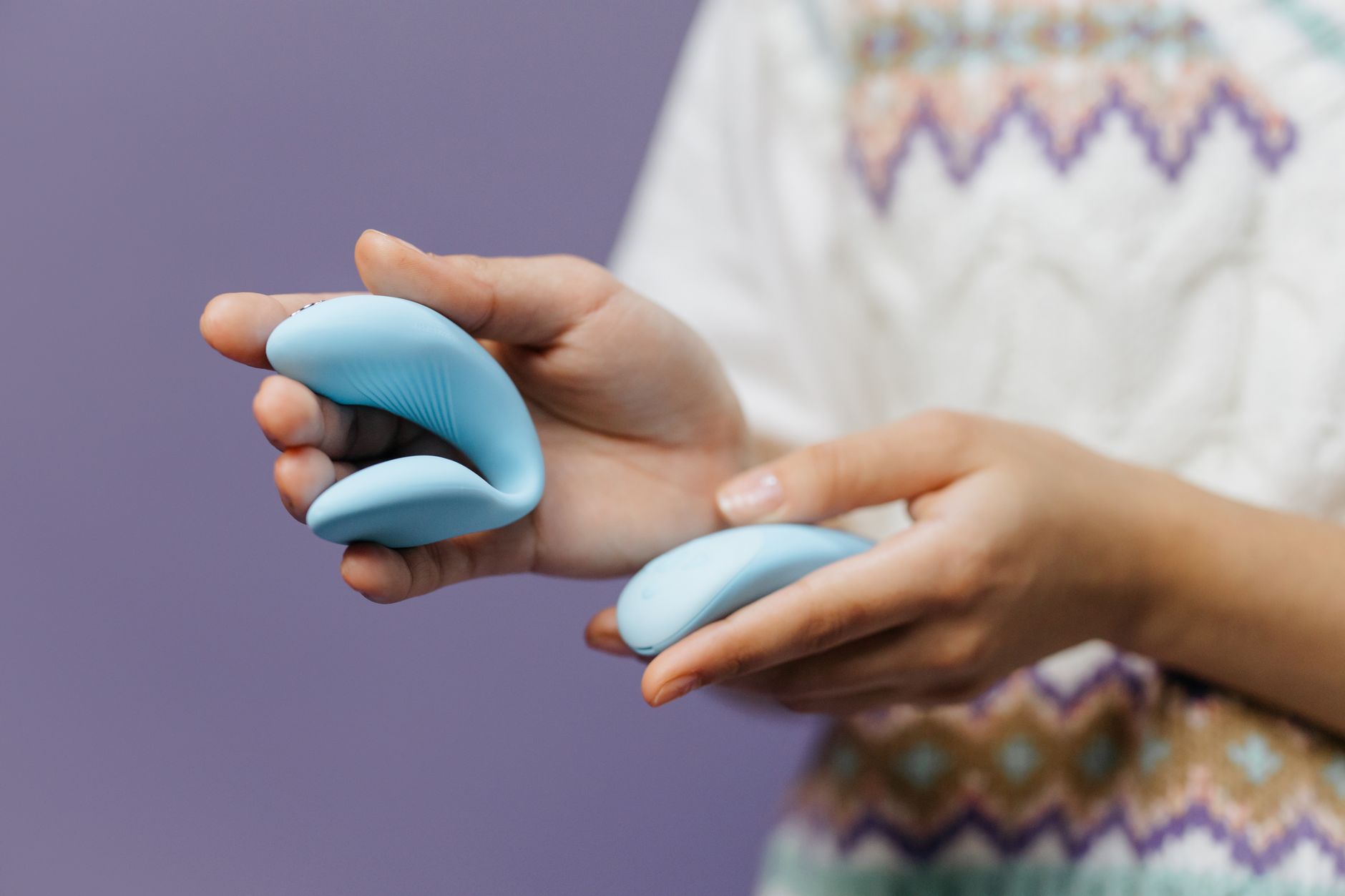
Start with your lemon vibrator on the lowest setting, no pattern yet. Just the base hum. Hold it gently against the general clitoral area, but don't assume the pressure or angle that used to work. Let your body tell you where sensation feels good right now.
Many people with scarring find that indirect stimulation works better initially. Instead of placing the vibrator directly on the clitoris, try positioning it slightly to one side, or higher up on the mound, or even lower toward the perineum. The sensation travels, and sometimes the indirect route is the one that feels best.
Pattern selection when tissue is changed
If you've used lemon clitoral vibrators before, you might have had a favorite pattern. Forget it for now. Scarring and textured tissue respond unpredictably to rhythm patterns. What felt smooth before might feel overwhelming now.
Start with the steady pulse mode. No acceleration, no pulsing patterns. Just consistent vibration. This lets you assess how the tissue actually responds without the cognitive load of following a rhythm. Once you find a location and pressure that work, then experiment with one pattern at a time.
Some people with significant scarring find that very slow pulses work better than the faster patterns. Others find that alternating patterns help because the variation prevents numbness. There's no rule here. You're building your own.
Pressure is not your friend right now
One of the biggest mistakes I see: people assume they need more pressure because they're not feeling sensation. That's usually backward. Light, sustained contact with a lemon vibrator often produces more sensation than pressure, especially when tissue is textured or has scar involvement.
Let the vibrator do the work. Your job is to hold it still or move it very slowly. Think of it as a sensitive listening device, not a tool you're pressing into place. If you're using both hands, one can stabilize the toy and the other can explore where sensation lives.
If light contact feels numb, before you add pressure, try moving the vibrator slightly. Sometimes a quarter-inch shift reveals sensation that was invisible at the previous location.
Lubrication becomes more important
Water-based lube reduces friction against textured tissue and creates a smooth surface for the vibrator to glide across. It also helps minimize irritation if you're exploring for extended periods.
Apply lube generously and reapply as needed. Don't assume that dryness means lack of arousal. Textured tissue often produces less natural lubrication because the surface area is different. Lube isn't a sign that something's wrong. It's a tool that makes pleasure more accessible.
If you've had vulvodynia or any inflammatory condition, check whether you have any known irritants in your lube. Some people with history of inflammation do better with fragrance-free, minimalist water-based lubes.
Working with numbness and hypersensitivity
Scarring often creates a mosaic of sensation: areas that feel almost nothing and areas that feel almost everything. Your clitoris might have both in the same square inch.
For numb areas, vibration is often more effective than static pressure because it's a moving stimulus. Your nervous system detects motion more readily than constant pressure. If an area feels completely dead, resist the urge to press harder. Instead, try holding the vibrator steady and letting the vibration do the signaling. After a few minutes, sensation sometimes wakes up.
For hypersensitive areas, which are common near scar edges, use the vibrator on the lowest setting and keep sessions shorter initially. You're not building tolerance by pushing through discomfort. You're gradually expanding your pleasure window by respecting your tissue's actual capacity.
Timing matters more than intensity
People with textured tissue or scarring often need longer warm-up time than they did before. Budget 20 to 30 minutes, even if you used to come faster. Your arousal system is navigating new geography. That takes time.
This isn't a delay or a problem. It's a different rhythm. Some people find that the extended warm-up creates deeper, more full-body arousal than they experienced before, because they're not rushing.
Stop if you hit pain. Not pressure, not intensity, but sharp pain. That's your tissue telling you something. Move to a different location, adjust pressure, or switch to a different approach entirely. Pleasure should never require pushing through actual pain.
Orgasm might feel different
With changed tissue, orgasms sometimes feel different in shape or intensity. You might experience orgasms that feel wider and less focused, or sharper and more localized, depending on where your sensation lives now.
Some people report fewer orgasms initially, which usually means they're learning the new map and will expand from there. Some report stronger orgasms because they're finally stimulating the areas that actually work for their current tissue. Both are normal.
If orgasm doesn't arrive the first few sessions, that's information, not failure. You're relearning. How to use a lemon vibrator when you want solo pleasure without rushing walks through extended exploration without the pressure of reaching climax.
When to bring a partner in
If you're partnered, share your relearning map with them once you've found it. Show them, don't just tell them. Let them feel where the lemon vibrator works best so they understand the geography.
Many partners feel relieved to have a concrete plan instead of guessing. You're not broken. Your pleasure just has new coordinates now, and that's something you can navigate together.
How to use a lemon vibrator when your partner wants penetration and you prefer clitoral covers the practical dynamics of pleasure with different needs.
When to see a specialist
If scar tissue is causing pain during any touch, including vibration, see a pelvic floor physical therapist. Some scarring responds beautifully to manual therapy, which can expand sensation and reduce discomfort significantly.
If you're not sure whether what you're experiencing is normal tissue change or something that needs attention, ask. A gynecologist or pelvic specialist familiar with scar tissue can examine you and give you clear information. Knowledge removes so much of the anxiety around this.
Your tissue isn't broken. Your pleasure map has shifted. A lemon clitoral vibrator in the hands of someone patient and attentive to their own body can absolutely unlock sensation that feels brand new.
People also ask
Does scarring permanently reduce clitoral sensation?
No. Scarring changes how sensation travels, but it doesn't permanently numb your clitoris. Some people experience temporary numbness near scar edges that resolves over time. Others find that vibration actually restores sensation because it's a different stimulus than the static pressure that might have triggered numbness. Most people find their sensation window expands over weeks or months as they explore.
Can I use my lemon vibrator right after a procedure that caused scarring?
Wait until your healthcare provider clears you. Usually that's 6 to 8 weeks after birth or minor surgery, longer after more significant procedures. Once cleared, start gently. Scars are still healing and need time. Your lemon vibrator will be there when your tissue is ready.
Will textured tissue always feel uncomfortable with vibration?
No. Discomfort usually means you're using the wrong angle, pressure, or pattern. It's rarely the texture itself. Light, sustained contact on the lowest setting almost always feels better than pressure or high intensity. Many people with textured tissue eventually prefer how their new landscape feels with the right technique.
Should I use a different vibrator for textured tissue?
Not necessarily. Your lemon vibrator's broad, flat head and adjustable patterns make it excellent for textured tissue exploration. The key is using it differently than you might have before. Lower settings, indirect positioning, and longer warm-up time matter far more than buying a different toy.
Is numbness after scarring permanent?
Sometimes temporary numbness resolves naturally over months. Sometimes vibration wakes it up faster because it's a different stimulus. If numbness persists beyond six months and hasn't improved with exploration, a pelvic specialist can assess whether manual therapy or other treatment might help.
Can scarring change where I feel pleasure?
Absolutely. Many people find their pleasure zone shifts after scarring. What used to work perfectly might feel numb now, while an area that never got much attention becomes incredibly sensitive. That's not loss. It's a map redraw. Most people find their new zones deliver just as much satisfaction, sometimes more because they involve more intentional attention.