Your cycle changes everything about how your body feels pleasure
Here's the thing nobody tells you: your clitoral sensitivity, arousal speed, and how you experience pleasure swings dramatically across your cycle. Not metaphorically. Physiologically. If your lemon vibrator felt absolutely right last week and feels weirdly intense or numb today, your hormones are the reason.
This isn't broken. It's not weird. It's actually valuable information about how to use your lemon clitoral vibrator in ways that feel amazing at every phase of your cycle.
How hormones affect clitoral sensitivity
Your menstrual cycle runs about 28 days and stages the same hormonal symphony over and over. Each phase tweaks the game a little differently. Estrogen and progesterone are the main characters here, and they're constantly reshaping how much sensation your clitoris can register.
During the follicular phase (roughly days 1-14, ending with ovulation), estrogen climbs. Higher estrogen means thicker vaginal tissue, increased blood flow to the vulva, and clitoral tissue that's more engorged and responsive. This is when touching that area feels more intense faster. Your clitoris literally swells slightly, and nerve endings become more densely packed with blood, making them more reactive.
Then ovulation hits around day 14. This is your peak sensitivity window. Estrogen peaks just before your body releases an egg, and at that exact moment, arousal becomes easiest and most intense. Sensation feels almost exaggerated. Many people using a lemon vibrator during ovulation report that lower intensity settings feel more satisfying because the tissue is already so stimulated.
The luteal phase (days 15-28) is different. Progesterone takes over while estrogen dips. Blood flow to the vulva decreases slightly. Tissue becomes a tiny bit thinner. Your clitoris is less engorged. The same lemon vibrator that felt perfect four days ago now requires higher intensity or longer warm-up to reach the same sensation. Your body isn't broken. The hormonal stage has shifted.
What you actually feel at each phase
During the follicular phase, arousal often builds faster. Orgasms might come quicker, and lighter touches feel satisfying. If you're someone who usually starts at intensity level 3 on your lemon sucker, you might find level 1 or 2 feels richer during this phase. Some people find they actually need to dial down intensity to avoid overstimulation.
Around ovulation, sensitivity peaks. This is when you might achieve orgasm in the fewest minutes. Your body's baseline arousal is higher even before you start using your toy. Interestingly, many people report that orgasms feel more intense and full-body at this point in the cycle.
During the luteal phase, especially the second half (days 21-28), arousal takes longer to build. You might need 15 or 20 minutes instead of 5 to really feel it. Intensity settings that felt perfect before might feel muted. This is when people often jump to their lemon clitoral vibrator's higher patterns, thinking something's wrong. Nothing is. Your hormonal landscape has just shifted the sensitivity baseline down temporarily.
How to adjust your lemon vibrator for each phase
The practical piece: know your cycle. Track it for two or three months using a simple calendar or an app. Mark your period start and your ovulation date if you know it. Then pay attention to how your lemon vibrator feels at different points.
Follicular phase (days 1-14). Start lower than you think you need to. Intensity levels 1-2 often feel completely satisfying. If you usually go straight to level 3, try warming up at level 1 for a few minutes first, then bump up only if you need to. You'll probably surprise yourself with how little you need. This is also a good phase for exploring new sensations or patterns you've never tried, because your nerve endings are primed and responsive.
Ovulation window (day 12-16 or thereabouts). This is your sweet spot for trying intensity levels that normally feel too strong. Your tissue can handle more. Your arousal is so high that even your favorite settings might feel underwhelming. But don't jump straight to the highest level. Instead, enjoy the fact that you can spend longer at medium intensities and still feel incredible. Some people enjoy mixing patterns during this phase, cycling between different modes in ways that feel chaotic at other times.
Luteal phase (days 17-28). Be patient with warm-up. Spend 10-15 minutes at lower intensities before moving to your usual comfort zone. If you jump straight to level 3 and it feels faint, your body is telling you it needs time, not harder vibration. Try increasing intensity one level at a time across a longer session rather than jumping to max and staying there. Longer, slower sessions often feel better than quick-hit approaches during this phase.
Why this matters more than you'd think
When you don't account for cycle-driven sensitivity shifts, it's easy to assume something's wrong. You might think your lemon vibrator is broken. You might assume your capacity for pleasure is shrinking. You might blame your partner, your stress, or yourself. The truth is simpler and better: your hormones are cycling exactly as they should, and your body's responsiveness is responding normally to that shift.
Understanding this also teaches you something valuable about your own physiology. You're not a static pleasure-machine. You're a dynamic system with rhythms and phases. Honoring those phases isn't accommodation. It's respect for how your body actually works.
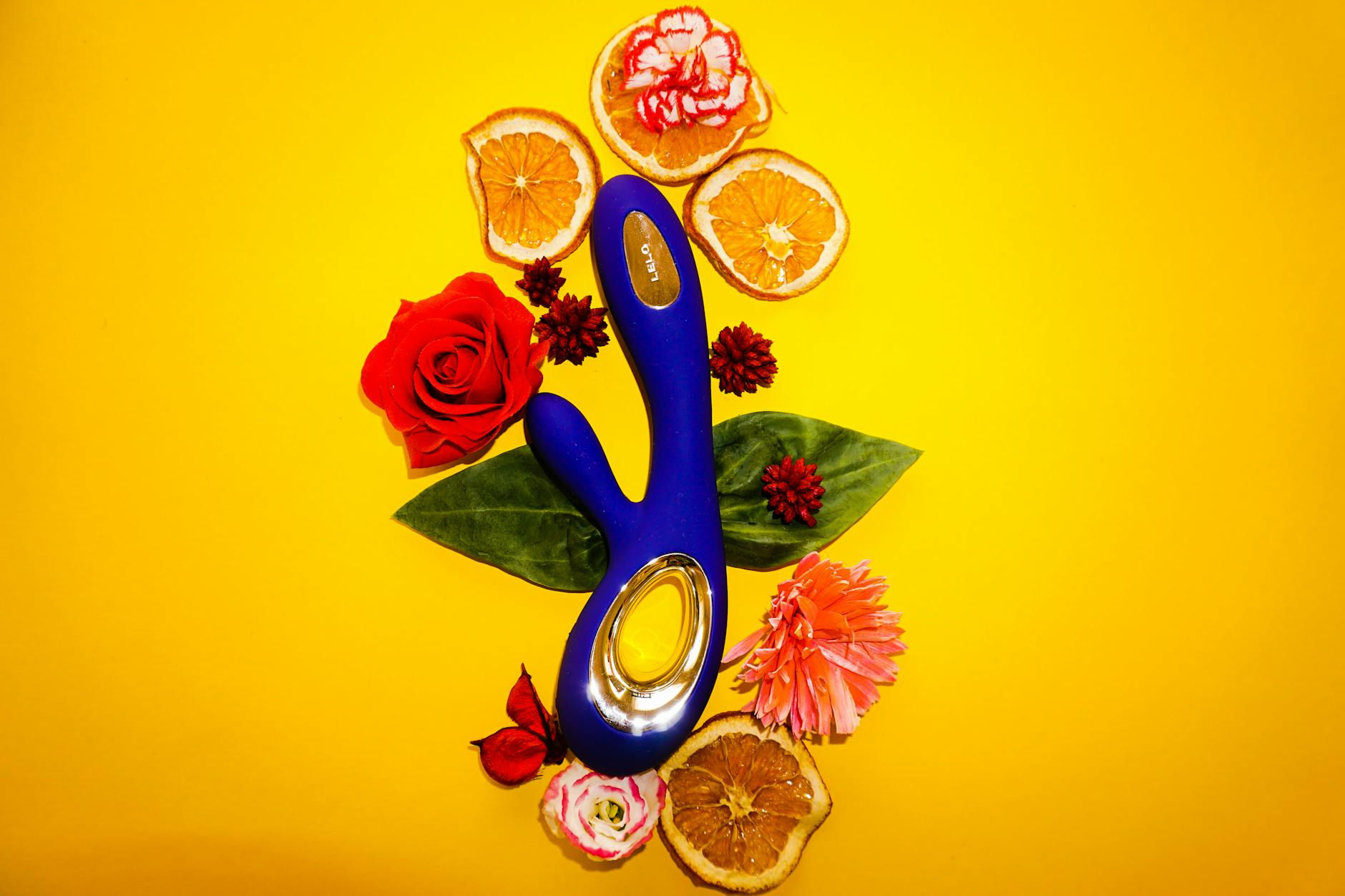
Photo by FounderTips on Pexels
The psychological piece
Here's what I see in my practice: partners often misread cycle-driven shifts in arousal. If your partner initiates during your luteal phase and you need more time and higher intensity to feel aroused, they might interpret that as lower desire for them. But it's not desire. It's availability. Your nervous system is genuinely less primed. Talking about this openly changes everything.
Say it plainly: "During this part of my cycle, I need longer warm-up and a bit more intensity. It's not about you. It's about where I am hormonally." That single conversation prevents weeks of confusion and hurt feelings.
When cycle shifts signal something else
Most sensitivity changes across your cycle are completely normal. But if your pattern suddenly shifts without explanation, or if one phase becomes painfully tender or numb in a way that's new, mention it to a gynecologist. Birth control can flatten these cycles entirely (which is fine, but worth knowing). Thyroid issues, blood sugar dysregulation, and stress can amplify or mute the shifts you'd normally expect.
The lemon vibrator is a tool for gathering information about your body. If that information changes unexpectedly, it's worth investigating. But in most cases, cycle-driven sensitivity variation is simply your endocrine system doing its job.
FAQ
Does the menstrual cycle really affect clitoral sensitivity that much?
Yes, measurably. Research shows that clitoral sensitivity peaks around ovulation and dips during the luteal phase. The difference isn't tiny. Some studies show a 20-30% shift in nerve sensation thresholds between the follicular and luteal phases. You're not imagining it when your lemon clitoral vibrator feels dramatically different mid-cycle.
Why do I feel numb right before my period?
Part of it is hormonal drop. Just before menstruation, both estrogen and progesterone fall sharply. That sudden withdrawal reduces blood flow to the vulva and makes tissue slightly less responsive. Part of it is also pure physical bloating and cramping, which can distract your brain from pleasure. The numb feeling passes once your period starts and hormones stabilize at a new baseline.
Can I use my lemon vibrator every day if my sensitivity keeps changing?
Absolutely. You might just need to adjust intensity or duration based on where you are in your cycle. Consistent use across all phases is actually good for understanding your body's patterns. Just be mindful that if you're using the highest intensity settings every single day during your low-sensitivity phases, you might be creating temporary desensitization. Vary your approach based on your cycle, and sensation usually stays responsive.
Does birth control change how my lemon sucker feels?
Yes. Hormonal birth control flattens the peaks and valleys of your natural cycle by keeping hormone levels stable. This often means your sensitivity stays more consistent throughout the month, which some people love and others find less interesting. Non-hormonal methods like copper IUDs don't affect your cycle as much, so you'll still notice the shifts. It's worth experimenting for a few months on whatever method you're using to understand your new baseline.
If I want consistent pleasure, should I only use my lemon vibrator during ovulation?
Not necessarily. The luteal phase might take more time and intensity, but many people report deeper, more full-body pleasure during that phase once they've adjusted their approach. Instead of chasing the peak-ovulation experience every day, you might enjoy leaning into the different qualities of pleasure each phase offers. Ovulation is faster. Luteal is slower and sometimes more sustained. Different, not worse.
What if my cycle shifts don't match this timeline?
Every cycle is slightly different, and some people's cycles are way less predictable than 28 days. Track your own patterns for at least three months before assuming anything. Once you know your rhythm, you can adjust your lemon vibrator use accordingly. And if your cycle is wildly irregular, that's worth mentioning to a doctor. It's rarely a sign of anything serious, but it can point to stress, thyroid issues, or other things worth knowing about.
The bottom line
Your lemon vibrator isn't broken. Your body isn't broken. Your hormones are cycling exactly as they're supposed to, and your clitoral sensitivity is responding appropriately. The pleasure isn't less during the luteal phase. It's just different. Slower. Deeper. It requires patience and a slightly different approach. Once you understand that shift, you can work with your body instead of fighting against it.
If you're curious about how this plays out in your own cycle, start simple: track your period for two months and jot down quick notes about how your lemon clitoral vibrator feels. You might discover patterns that transform how you approach pleasure. Your body already knows how to guide you. You're just learning the language.
Have questions about using your lemon vibrator at different cycle phases, or want personalized guidance on pleasure? Reach out to our team.