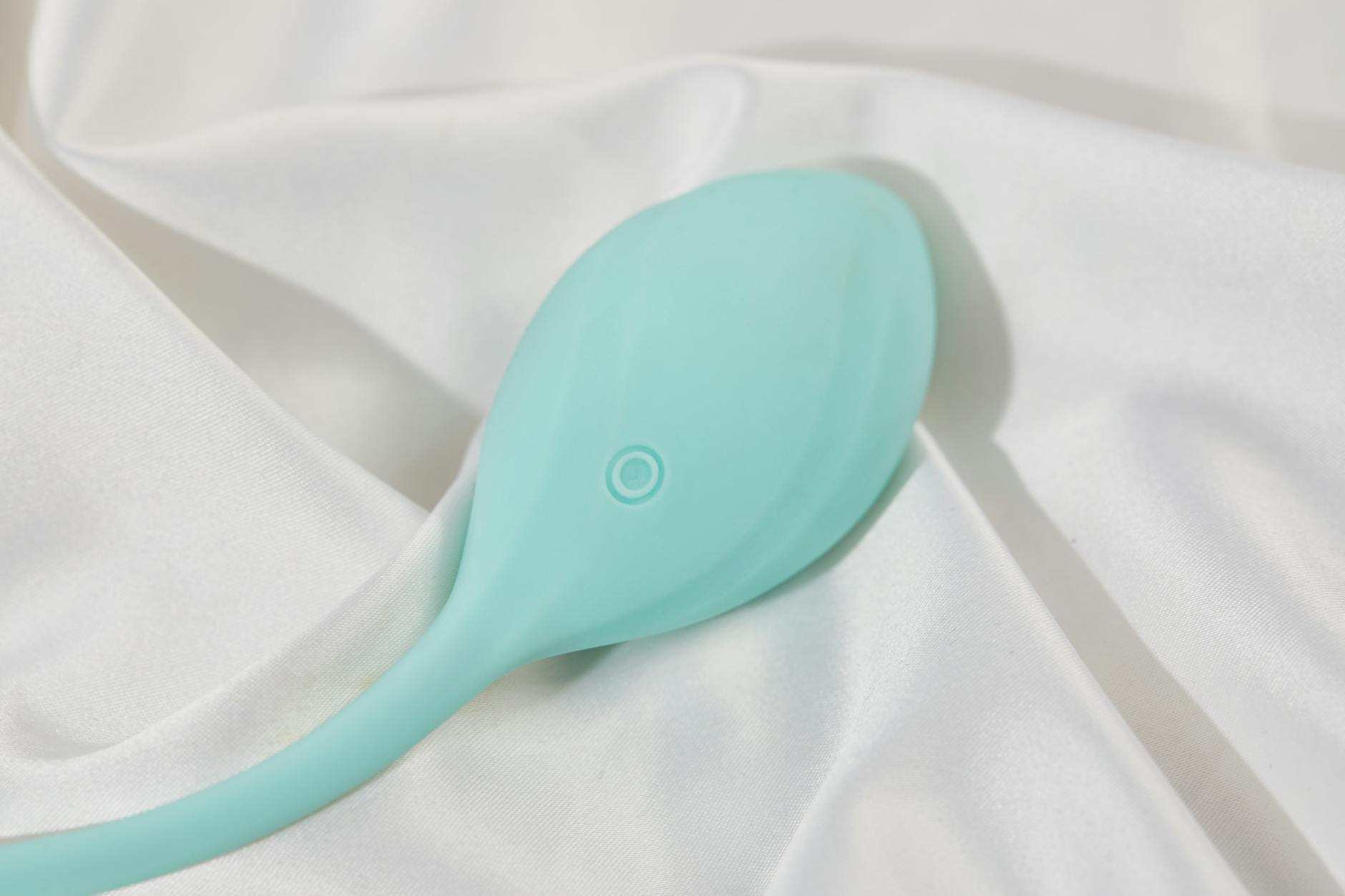
Here's what nobody tells you about postmenopausal orgasms
Tissue changes after menopause. That's real. What's equally real is that many people report their most intense orgasms happen after menopause, not before. The difference isn't mysterious. It's physiological, psychological, and deeply connected to how clitoral vibrators like lemon suckers work with your body's changing anatomy.
Let me walk you through why a lemon vibrator often intensifies orgasms for postmenopausal bodies, and what that actually means for your pleasure.
Why postmenopausal tissue responds differently to vibration
After menopause, estrogen drops. This causes the clitoral tissue to thin slightly and become more sensitive to direct pressure. Your first instinct might be "that sounds worse," but here's where it gets interesting. Thinner tissue means the nerve endings sit closer to the surface. They're more concentrated. More reactive.
Traditional vibrators rely on direct oscillation against the clitoris. That works fine before menopause, when thicker tissue can absorb the impact. But for postmenopausal bodies, that same direct pressure can feel too intense, sometimes uncomfortable.
Suction-based clitoral vibrators like the Lem work differently. Instead of buzzing directly against tissue, they create a gentle seal and draw the clitoris slightly into the head. This stimulates the same nerves, but indirectly. No friction. No grinding. Just suction. For postmenopausal bodies, this is often where intensity actually increases. You're stimulating sensitive nerve endings without overwhelming the tissue itself.
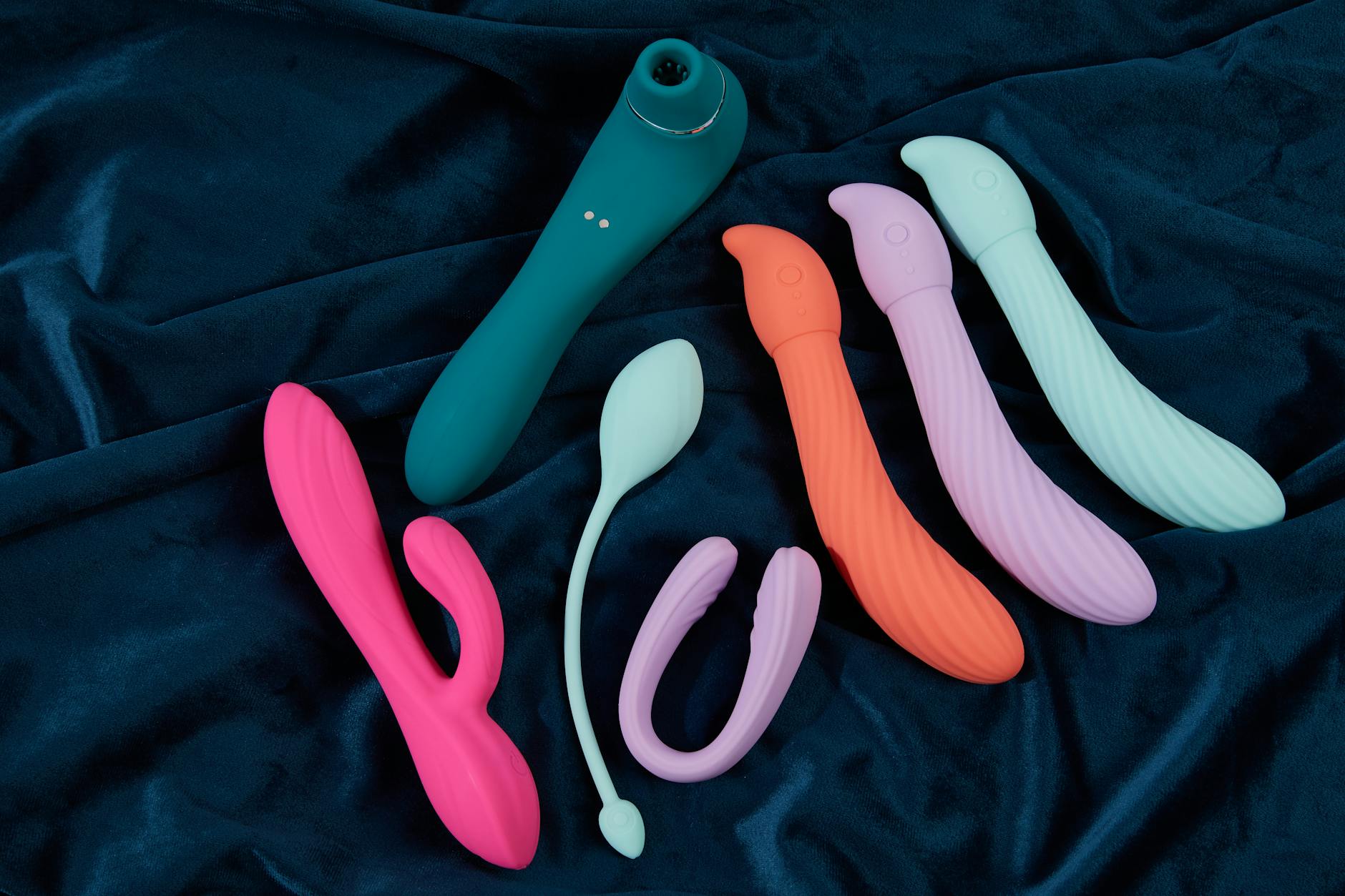
Photo by IFONNX Toys on Pexels
The arousal plateau gets steeper
Here's something clinically interesting. After menopause, the plateau phase of arousal often lengthens. You take longer to warm up, sure. But once you're there, the intensity can build more sharply. It's like a steeper curve. Your body isn't fluttering up and down through arousal. It's climbing more steadily, and when orgasm hits, it hits differently.
For people who've spent decades in relationships where sex happened on someone else's timeline, this shift is profound. The extra warm-up time isn't a bug. It's an invitation to slow down, pay attention, and actually let desire build the way your body wants it to.
A lemon vibrator's gentler approach works beautifully with this. You're not chasing intensity from the moment contact happens. You're building it. Pattern 1, then 2, then 3. By the time you reach full intensity, you've had time to warm up fully, and the orgasm tends to be much deeper.
Pelvic floor changes and what they mean for sensation
Estrogen keeps the pelvic floor resilient. After menopause, that tissue loses some tone, and many people assume that means less intense sensation. Actually, it often means different sensation. Not weaker. Different.
A weaker pelvic floor can sometimes feel more sensation because there's less muscular tension holding things in place. Think of it like loosening your grip on something. You can actually feel it better. Orgasms can feel more diffuse, spreading through the pelvic area instead of concentrating in one spot.
This is where suction really shines. By gently drawing tissue into the head, a lemon clitoral vibrator creates a focal point. For many postmenopausal bodies, that focus transforms the more diffuse sensation into something incredibly satisfying. It gives the orgasm a center. An anchor.
The warmup window is your friend, not your enemy
Yes, arousal takes longer. Most postmenopausal people need 15 to 25 minutes of foreplay or self-play before full arousal sets in. This is presented as a loss. It's actually an opportunity.
A long warmup means more time for blood flow to increase in the pelvic area. More time for natural lubrication to build, even if it's less copious than it was before. More time for your nervous system to shift into parasympathetic mode. That longer lead time often translates directly into more powerful orgasms.
When you use a lemon vibrator, start low. Spend five minutes on pattern 1. Let sensation build gradually. This isn't rushing toward climax. It's actually letting your body do what it wants to do. Many people find that when they stop fighting the slower warmup and start using it, orgasms become stronger, not weaker.
Lubrication and sensation work together
Postmenopausal lubrication is often less slick and more localized. Water-based lube helps, obviously. But here's what matters for vibrator use. Less slickness actually means more direct contact between the vibrator head and tissue. More sensation per stroke.
With a lemon vibrator and proper lube, you get the best of both. The lube protects tissue from friction, while the suction mechanism gives you deep, consistent stimulation. This combination often produces orgasms that feel more satisfying than what people achieved with traditional vibrators before menopause.
Psychological shifts that amplify physical sensation
After menopause, many people report that they stop performing sexuality and start experiencing it. The constant background anxiety about fertility disappears. The pressure to keep a partner's attention softens. You're not half-present, checking whether your body is doing the right thing at the right time.
When your brain finally gets out of the way, pleasure deepens. Orgasms feel stronger because you're actually present for them, not narrating them from somewhere in your head. A lemon vibrator is simple and intuitive enough that it lets you sink into sensation instead of figuring out what you're supposed to be doing.
When intensity drops and what to do about it
Sometimes orgasm intensity does decrease after menopause, especially in the first year or two. If that's happening, several things help.
First, explore different patterns. Lemon vibrators typically have 6-12 settings. You might have spent twenty years with pattern 6, and now pattern 3 or 4 is the sweet spot. That's not worse. That's information.
Second, try extended sessions. Twenty-minute sessions sometimes produce more satisfying orgasms than quick five-minute ones, especially if you're warming up slowly.
Third, if pain appears alongside decreased sensation, that's worth mentioning to your doctor. Genitourinary syndrome of menopause is real, common, and easily treated with topical cream. You don't have to white-knuckle through diminished pleasure.
The partners and communication piece
If you're in a relationship, the physical changes of menopause give you a chance to reset how sex works together. Many couples find that a lemon clitoral vibrator becomes a shared tool, not something hidden away. The slower warmup becomes foreplay. The longer session becomes time together.
The conversation to have isn't "my body isn't working the way it used to." It's "I want us to try this differently." That's a completely different energy. One is a problem. The other is an experiment.
FAQ: Common questions about lemon vibrators and postmenopausal pleasure
Do clitoral vibrators work as well after menopause?
Yes, and often better. The key is choosing the right type. Suction-based vibrators like lemon clitoral vibrators work particularly well because they don't rely on direct friction. They stimulate nerve endings through gentle suction instead, which suits postmenopausal tissue perfectly. Many people report stronger, more consistent orgasms after switching to a lemon vibrator postmenopause.
Will a lemon vibrator feel too intense on sensitive postmenopausal tissue?
Not if you start low and work up. Start on pattern 1 or 2, even if that feels almost too gentle. After warmup, increase gradually. The suction mechanism is gentler than traditional vibration because it draws tissue into the head rather than buzzing against it directly. Most people find this feels better on sensitive postmenopausal tissue, not worse.
How long should warmup take with a lemon vibrator after menopause?
Plan for 15 to 25 minutes of foreplay or solo play before using the vibrator at full intensity. Start with five minutes on low pattern. This isn't wasted time. It's essential time. Longer warmup usually produces deeper, more satisfying orgasms. If you're rushing, you're working against your body's natural response.
Can I use lemon vibrators if I'm also using hormone replacement therapy?
Absolutely. HRT doesn't change how vibrators work. Some people find that HRT restores more of the tissue thickness and responsiveness they had before menopause, which can make vibrators feel even better. Use whatever feels good in your body, regardless of whether you're on HRT.
What lube should I use with a lemon clitoral vibrator after menopause?
Water-based lube is your best bet. It's compatible with silicone vibrators, rinses off easily, and won't damage the toy. Apply generously. Postmenopausal bodies produce less natural lubrication, so external lube isn't optional. It's part of having great pleasure. Reapply as needed during longer sessions.
Is it normal if my orgasm feels different after menopause?
Completely normal. Orgasms often shift from being concentrated in one spot to spreading through the whole pelvic area. They might feel less intense at first, or different in rhythm. Both of those changes are physiological and totally manageable. For many people, once they adjust to the new sensation, postmenopausal orgasms feel better than before. Give yourself at least a few months of exploration before deciding anything's wrong.
The bottom line
Your pleasure doesn't end after menopause. It changes. And for many people, that change brings stronger, more satisfying orgasms than they had before. A lemon vibrator is particularly well-suited to postmenopausal bodies because it works with tissue changes instead of against them.
If you're curious about exploring this, start with warmup, go slow, and let sensation build. Your body knows what it needs. Sometimes it just needs the right tool and a little patience.
If you have questions about what might work best for your body, reach out. We're here to help you figure out pleasure that actually fits your life now.