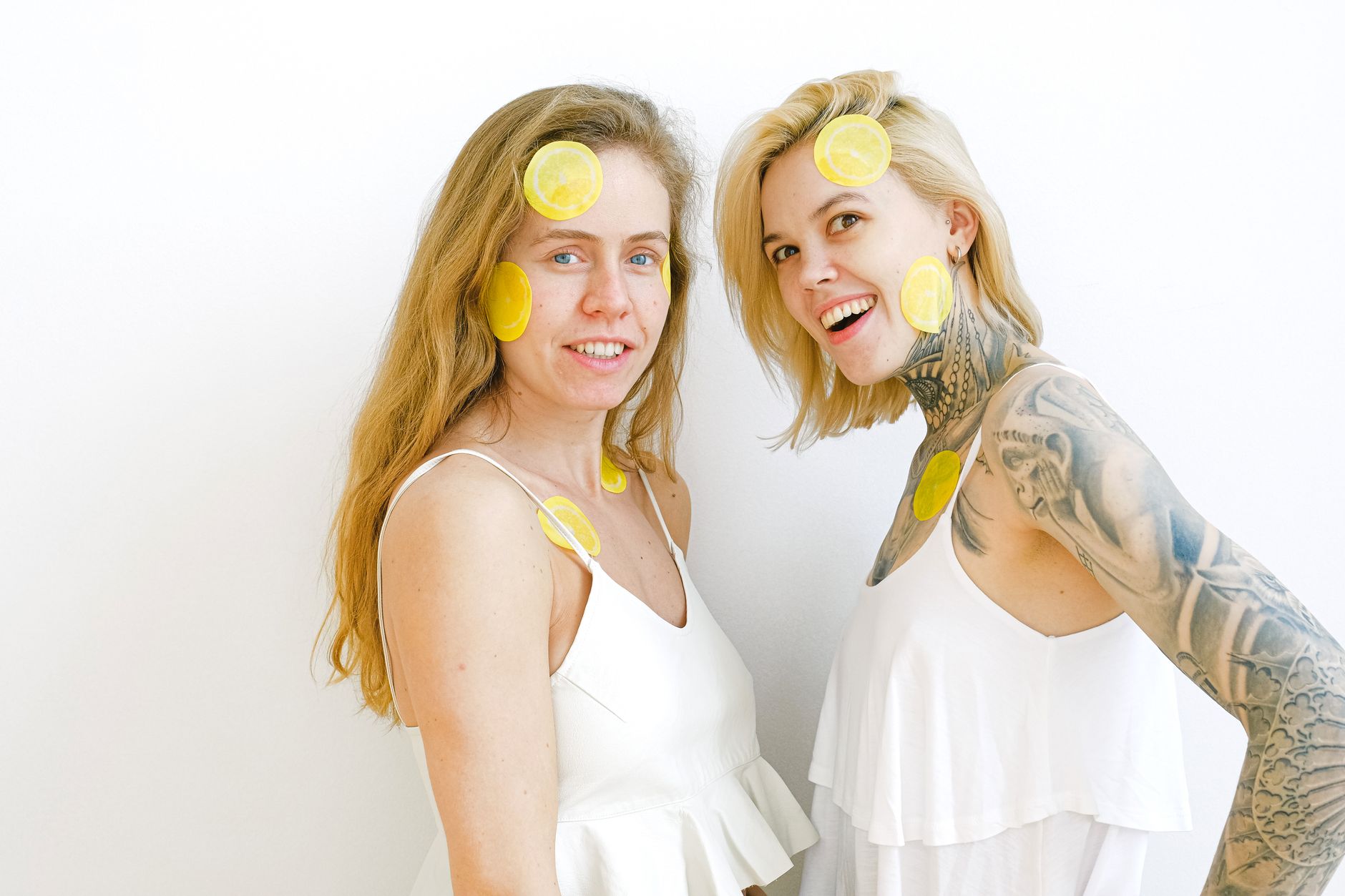
Lemon Vibrator for Single Women Rediscovering Pleasure After Long-Term Relationships
Here's the thing nobody tells you about leaving a long-term relationship. The logistics are messy. The emotions are valid. But there's also this weird gap where pleasure used to live, and you're not entirely sure how to fill it on your own.
You didn't forget how to have an orgasm. You probably forgot how to have one that's actually about you.
That distinction matters. After years of partnered sex, your body learned to respond to your partner's rhythm, their preferences, their timing. Your arousal became a duet instead of a solo. Using a lemon vibrator alone for the first time can feel weirdly awkward, or thrilling, or both. Usually both.
The mental shift that happens first
Before your clitoral vibrator even touches your skin, you're working through something bigger. Psychologically, solo pleasure after a long relationship is complicated. It's not just about the orgasm. It's about permission.
When you're partnered, sex has a built-in justification. You're doing it for the relationship, for your partner, for connection. Orgasm is the proof that the evening worked. When you're alone with a lemon vibrator, there's no external narrative. You're doing this for one person. You.
That can feel selfish if you've been trained to calibrate your worth around someone else's satisfaction. It's not. Pleasure is information. Your body telling you what feels good is data you need.
Many of my clients report that their first solo orgasm after a breakup felt almost political. Not in a grand way, but in a quiet one. Like reclaiming territory. That feeling is real, and it matters. Let it be there. It's part of the process.
Why sensation might feel different than you remember
Your body has changed since you were last alone with yourself. This isn't failure. It's biology meeting time meeting grief meeting newness.
After months or years of regular partnered sex, your pelvic floor has a particular pattern of tension and relaxation. That pattern supported someone else's pleasure. Now you're asking it to support yours, which sometimes requires a different kind of engagement. A lemon clitoral vibrator bypasses some of that friction because suction-based stimulation works differently than penetration or friction does. Your tissues don't need to warm up the same way. Your arousal pathway is slightly different when you're not managing someone else's experience.
You might also notice that sensation feels more intense, or softer, or scattered. This is normal. Your nervous system is in a transition state. You're not broken. You're recalibrating.
Starting solo with low pressure
I recommend approaching your first few sessions with a lemon vibrator the way you'd approach any new skill. With patience and without a goal.
Set aside 30 minutes. Not because you need that long, but because you don't need to rush. Silence or music, whatever works. Many women find that they need more mental space than their partners ever gave them. That's permission, not a flaw.
Start with the Lem on pattern one or two. Not the highest intensity. Let your body remember what pleasure without performance feels like. This is exploration, not a destination.
If nothing happens in the first session, that's fine. If everything happens, that's also fine. The point is to gather information about yourself without judgment. What pressure feels good. What rhythm your body actually prefers when you're not managing someone else's experience. Where you like to be touched. Whether you want fantasy or sensation or both.
Keep a note in your phone if something feels revelatory. Not every time, just when you notice something surprising. This isn't journaling. It's data collection about your own pleasure, which you deserve to understand.
The loneliness question that might show up
Using a lemon vibrator alone after a long relationship sometimes brings up unexpected emotions. Grief. Missing touch. Missing the emotional weight of physical intimacy. Loneliness that sex alone can't fix.
That's not a reason to stop. It's a reason to be honest about what you're looking for right now. If what you're actually craving is connection, a vibrator can't provide that. But it can provide pleasure, which is its own form of self-care. They're not the same thing, and pretending they are sets you up for disappointment.
Solo pleasure is not a substitute for partnered sex or emotional intimacy. It's a different thing entirely. The goal right now is to rebuild the conversation between you and your own body. That conversation can happen alongside loneliness. Both can be true.
Rediscovering your actual preferences
One of the unexpected gifts of being single again is the chance to find out what you actually like, separate from what you've been trained to like.
Maybe you discover you want way more intensity than your partner preferred. Maybe you find out you're bored by the fantasies you've been relying on. Maybe you realize you have no idea what you like because you've been responding to someone else's desire for so long. That last one is shockingly common, and it's nothing to be ashamed of. It's just information.
A lemon vibrator is particularly useful for this exploration because the suction sensation is distinct. It's not mimicking penetration or a partner's hand. It's its own thing. That singularity can actually help you tune in to what you're feeling without the overlay of performance or habit.
Try different patterns. Different pressure levels. Different moments in your cycle if your body cycles. Slow sessions where you're just noticing. Fast sessions where you're chasing something. Some people find they prefer afternoon pleasure. Some prefer late night. Some discover they need a full hour of being touched before anything registers. That's your data. Write it down.
When you're ready to think about partners again
At some point, you might start dating or connecting with someone new. This is where knowing your own pleasure becomes a gift, not just to yourself but to whoever you eventually share it with.
You know what patterns work for your body. You know what intensity you actually want. You know whether you need fantasy or just sensation. You know whether you prefer a quickie or a long session. That knowledge makes you a clearer communicator in a new relationship. It makes you less likely to fall back into old patterns of calibrating yourself around someone else's needs.
Your lemon vibrator doesn't become useless once you're partnered again. If anything, it becomes more useful. Solo pleasure in a relationship keeps you connected to yourself in ways that are hard to maintain when sex is always a two-person activity.
If you're interested in using a clitoral vibrator with a new partner down the road, understanding it solo first makes that conversation easier. You're not learning together from a place of vulnerability. You're bringing knowledge. That shifts the dynamic entirely.
The permission piece
Using a lemon vibrator alone after a long relationship is an act of self-knowledge. It's also an act of permission.
You deserve pleasure that has nothing to do with anyone else's satisfaction. You deserve to spend time understanding your own body. You deserve an orgasm that's purely, selfishly, completely about what feels good to you.
That's not selfish. That's literacy. And it's the foundation for every healthy relationship you'll have in the future, whether that's with a partner or with yourself.
FAQ
Is it normal to feel awkward using a lemon vibrator alone after being partnered for years?
Completely normal. Your body learned a particular pattern. Pleasure with a partner follows a different script than solo pleasure does. That awkwardness usually fades once you realize that solo pleasure doesn't have to look or feel like partnered sex. It can be faster, messier, more intense, softer, weirder. All of that is fine. Give yourself three to five sessions before deciding whether you actually like it.
How long does it usually take to feel comfortable with solo pleasure again?
It depends on how long you were partnered and how much you enjoyed your sex life. If you're grieving a breakup, reconnecting with your own pleasure can take weeks or months. If you're excited about being single, it might happen faster. There's no timeline. Your nervous system needs whatever time it needs.
Should I tell a new partner that I've been using a lemon clitoral vibrator alone?
That depends on what kind of relationship you're building and what you're comfortable sharing. There's no obligation to disclose your solo pleasure habits. If you're moving toward a sexual relationship, mentioning that you use a vibrator might be useful information. It removes the surprise and also signals that you know what you like, which most partners appreciate.
What if I'm single and using a lemon vibrator feels lonely instead of good?
That's worth paying attention to. Sometimes what we're really craving is connection or touch, and a vibrator can't provide that. Consider whether you want to be alone right now or whether you're isolating from grief. If you're isolating, a vibrator won't help. Reaching out to friends or a therapist might. If you're just grieving, solo pleasure can exist alongside loneliness. Both things can be true at once.
Can using a lemon vibrator solo help me figure out what to ask for in a future relationship?
Yes, absolutely. The more you understand your own arousal, the clearer you can be with a partner about what you need. You can tell them what speeds, pressures, and patterns work for you. You can show them, even. That makes partnered sex better for everyone involved. Your self-knowledge is a gift to future intimacy.
Is it better to use a lemon vibrator in the dark or with light?
Whatever helps you focus. Some people find that darkness reduces self-consciousness. Others find that being able to see what's happening helps them stay present. This is one of those things that's specific to you. Experiment. Your preference is the right answer.
Moving forward
You're not broken. You're not selfish. You're not doing anything wrong by taking time to remember what pleasure feels like when it's just for you.
That rediscovery is part of healing. It's also the foundation for the next chapter, whether that chapter includes a partner or not. Either way, knowing yourself comes first.
If you're still navigating the emotional side of rediscovering solo pleasure or thinking through relationship transitions, reach out for support. That's what I'm here for.