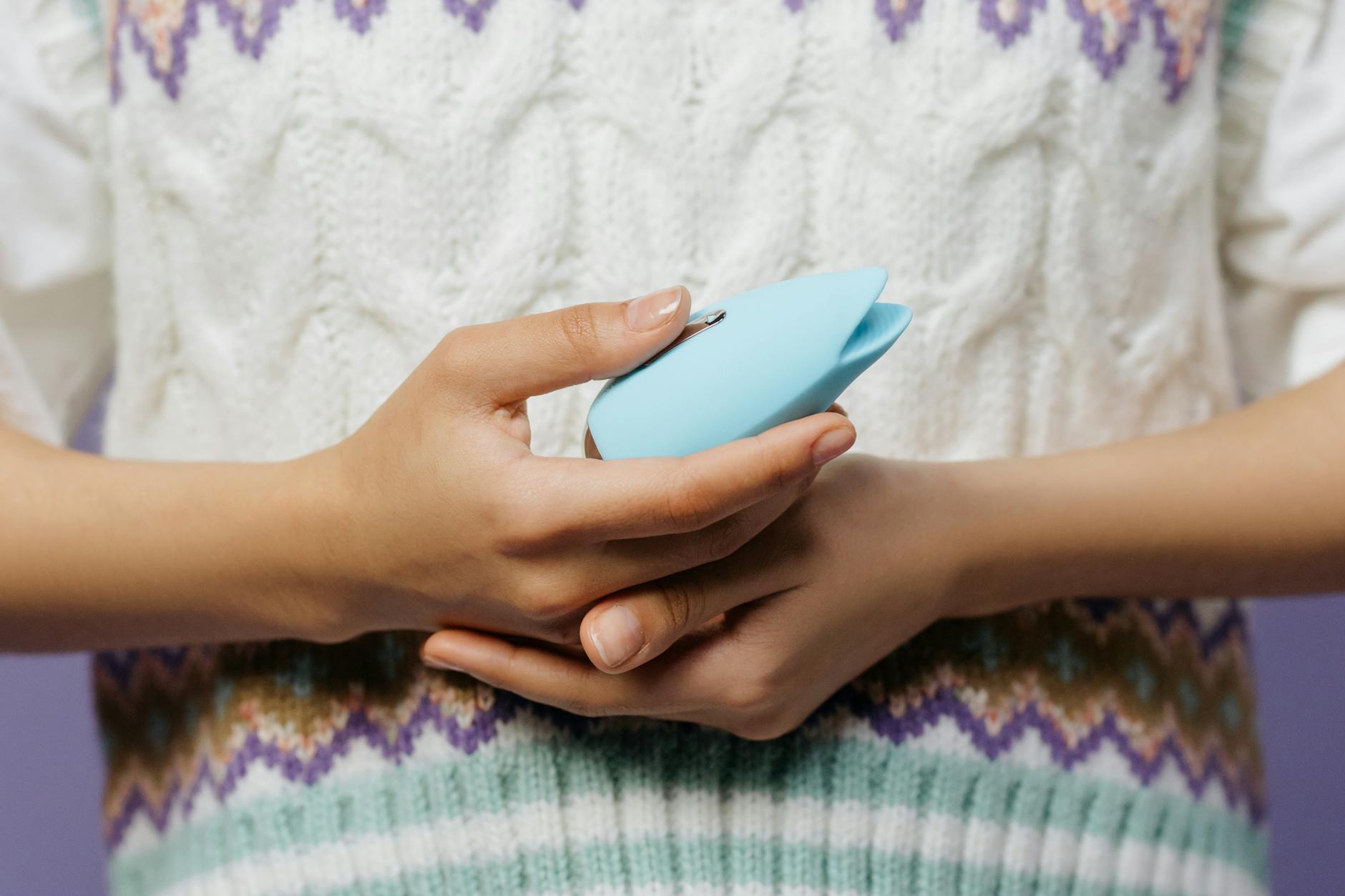
Let's start with the real problem
One of you is intrigued by a lemon vibrator. The other is not. Maybe they're skeptical. Maybe they're worried it means something about them. Maybe they just don't care yet. And now you're stuck in one of those relationship moments where the gap between your interests doesn't feel like a small thing anymore.
Here's what I see most often: the curious partner either waits indefinitely (and builds resentment), or they buy one solo and feel guilty about it (and that resentment festers differently). The skeptical partner feels left behind or pressured, even if no pressure was applied. Nobody wins.
But this doesn't have to be a conflict. It can actually become a bridge.
Why this gap happens in the first place
It's rarely about the vibrator.
One partner might be drawn to a lemon clitoral vibrator because they've done the reading. They heard suction feels different from traditional vibration. They're curious about their own sensation. That's it. No agenda.
The other partner might hesitate because their mind goes to: "Does this mean I'm not enough?" Or: "Are they losing interest?" Or simply: "I'm tired and this feels like one more thing." Those are three totally different blockers, and they need three different conversations.
The solo exploration piece matters because it lets your partner see pleasure as their own story, not something that has to involve you. That shift alone changes everything.
The case for exploring solo first (even in a coupled context)
Here's something that surprises people: solo exploration when you're in a relationship isn't a threat. It's data.
When one partner uses a lemon vibrator alone, they learn three things they can't learn otherwise. First, what their body actually responds to without the cognitive load of managing another person's experience. Second, how their arousal patterns shift when they're not coordinating intensity, timing, or recovery. Third, whether they even like it at all.
That last one matters enormously. A lot of people try a new toy feeling obligated to like it because their partner suggested it. Using it solo removes that pressure. If they hate it, they figure that out privately. If they love it, they're eager to share. Either way, you get honest information.
For the curious partner, this is freedom. For the hesitant partner, this is a gift. It means nobody's waiting for them to perform enthusiasm they don't feel yet.
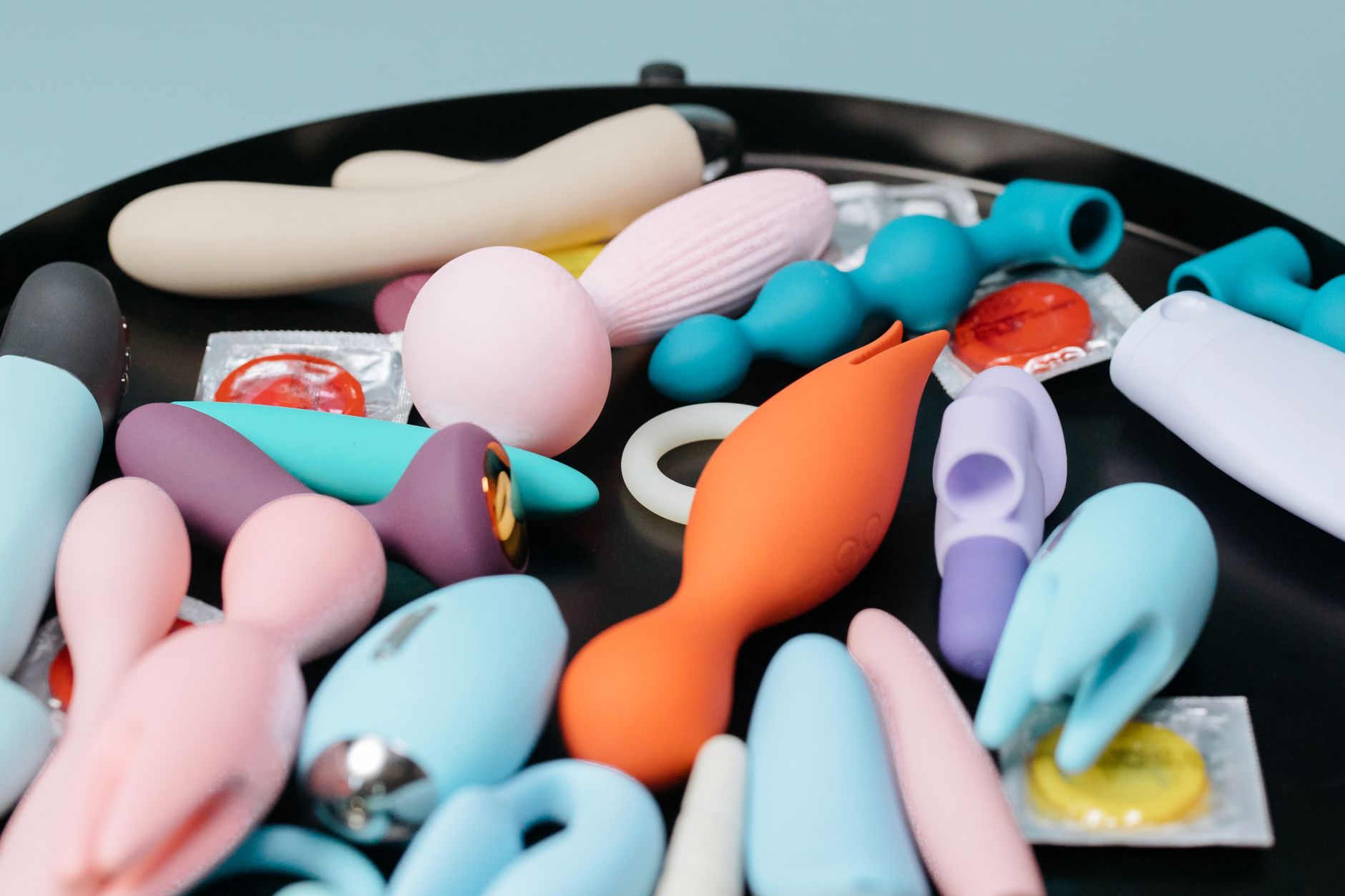
Photo by cottonbro studio on Pexels
How to bring it up without triggering defensiveness
Timing matters. Don't have this conversation right before sex or right after sex or when either of you is tired or stressed.
Here's a template that works: "I've been curious about exploring something for myself, and I want to be transparent with you about it. I'm not trying to change anything about us. I just want to understand my own pleasure better." That's it. No apology. No elaborate justification. No invitation that feels like obligation.
If your partner responds with concern, don't argue. Ask what they're actually worried about. "When you say you're not sure, what are you most unsure of?" Listen for the real thing. It might be: "I worry you'll prefer it to partnered sex." That's a real worry. It deserves a real answer: "That's not how it works for me. But I get why it sounds that way."
If your partner isn't interested in using a lemon vibrator together yet, the conversation ends there. You're exploring alone. Their job is to not sabotage that by withholding affection or making it weird. Your job is to not make it weird by hiding it or acting guilty.
The practical boundaries that make this work
Four rules that matter:
Use your own space. If you're exploring a lemon clitoral vibrator solo, do it when you have privacy. Not secretively. Just separately. This isn't about shame. It's about your partner not feeling obligated to watch something they're not interested in yet.
Don't report back obsessively. You don't need to give play-by-play updates. One sentence is fine: "Yeah, I tried it. Pretty cool." Spare them the details unless they ask. Interest builds at their pace, not because you're narrating your experience.
Keep the rest of partnered sex unchanged. Don't suddenly stop initiating sex with your partner because you're exploring solo. Don't make it feel like the lemon vibrator is replacing them. That's usually not true, but silence can make it feel that way.
Expect the curiosity to spread naturally. Here's what I see happen about sixty percent of the time: the hesitant partner eventually gets curious. Not because they were convinced. Not because they felt pressured. Because they saw their partner enjoying themselves guilt-free and it made them wonder what they were missing. That's organic. Let it happen that way.
When your partner stays uninterested and that's fine too
Some people will explore a lemon vibrator with their partner and discover it's just not their thing. That's completely normal.
Your job at that point is to let it be boring. "Okay, that's not for you. Noted." Not everything you enjoy has to be shared. You can have a full, connected sexual relationship where one person uses a lemon sucker and the other doesn't. It's not a referendum on your partnership.
The trap is turning it into one. "But if you tried it, you'd understand." Or: "This is important to me." Those statements sometimes come from a real place. But they also sometimes come from a place where you're trying to convince your partner that your pleasure is more important than their comfort. That's the road to resentment.
If you're genuinely at odds about solo exploration, that might be worth talking through with someone outside the relationship. There's often a deeper conversation about independence, trust, or body autonomy happening underneath.
How solo exploration becomes a bridge to partnered use
If both partners end up curious, the pressure is completely gone because you've both already figured out what you like. The lemon vibrator isn't mysterious anymore. It's not a test. It's just a tool that feels good.
That's when you can explore together without either person holding their breath. You already know your own pleasure. Now you're just integrating it. That's a totally different conversation.
One partner might use a lemon clitoral vibrator while you're intimate together. You might take turns. You might use it on each other. The options expand once the initial hesitation falls away. But none of that happens until the person who wasn't sure gets to arrive at their own curiosity at their own pace.
What to do if resentment is already building
If you've already made a purchase or had a tentative conversation and now there's tension, you need to address it directly.
Sit down and ask: "I feel like there's something uncomfortable between us about this. I want to understand what that is." Listen without defending. Your partner might say: "I felt judged for not being interested." Or: "I worry this means you're not satisfied." Or: "I felt like you went behind my back." Any of those might be true even if that wasn't your intention.
Your job is to hear what they felt, not argue about what you meant. Then: "I hear you. Here's what was actually going on." And then you decide together how to move forward. Maybe that means returning the lemon vibrator. Maybe it means you wait longer. Maybe it means having a bigger conversation about sex, desire, and independence in your relationship.
But you don't skip to the end. You start with understanding the gap.
FAQ
Is using a lemon vibrator solo while you're in a relationship considered cheating?
No. Masturbation in a monogamous relationship is not infidelity. Full stop. Your body belongs to you. Your pleasure belongs to you. A partner who needs to control your solo sexuality isn't setting a boundary. They're controlling your autonomy. That's worth examining in therapy.
Should I ask my partner's permission before buying a lemon clitoral vibrator?
You don't need permission. You might want to give them a heads-up so it's not a surprise in the nightstand. But there's a difference between communication and permission. "I'm thinking about trying a lemon vibrator" is communication. "Can I use a lemon vibrator?" is asking permission for something that's yours to decide. Know which one you're doing.
How do I know if my partner's hesitation is genuine disinterest or insecurity?
Ask directly. "Are you not interested because you don't want to, or because you're worried about something?" The answer is usually clear. Genuine disinterest sounds like: "It's just not my thing." Insecurity sounds like: "I'm scared it means you want someone else" or "I don't want to disappoint you." Insecurity is treatable. Disinterest is just preference.
What if I bring a lemon vibrator into the relationship and my partner feels blindsided?
Apologize for the approach, not the object. "I should have talked to you first. I wasn't trying to hide it, but I see now how it felt that way." Then have the real conversation. Don't make excuses. Don't tell them they're overreacting. Just listen and let the conversation breathe.
Can we use a lemon vibrator together if one of us was never interested?
Yes, sometimes. But you can't force the interest. The person who wasn't curious might become curious once they see their partner enjoying it. They might not. If they never do, you can still use it during partnered sex if everyone consents in the moment. But it shouldn't feel like convincing or performance.
How long should I wait before suggesting partnered use if my partner starts exploring solo?
Don't suggest it. Let them bring it up. If they start using a lemon vibrator solo and then get curious about partnered use, they'll usually mention it. If they don't, they're probably not interested. Let that be okay.
The real thing underneath all of this
When one partner wants to explore and the other doesn't, it usually reflects something deeper about how you handle desire gaps. One person's curiosity doesn't threaten the other. But often it feels like it does. That feeling is worth paying attention to.
Solo exploration with a lemon vibrator can be a place where you practice letting your partner have their own pleasure, their own body, their own experience. That's actually a gift to the relationship. It's practice in trust.
Start there. Everything else follows.