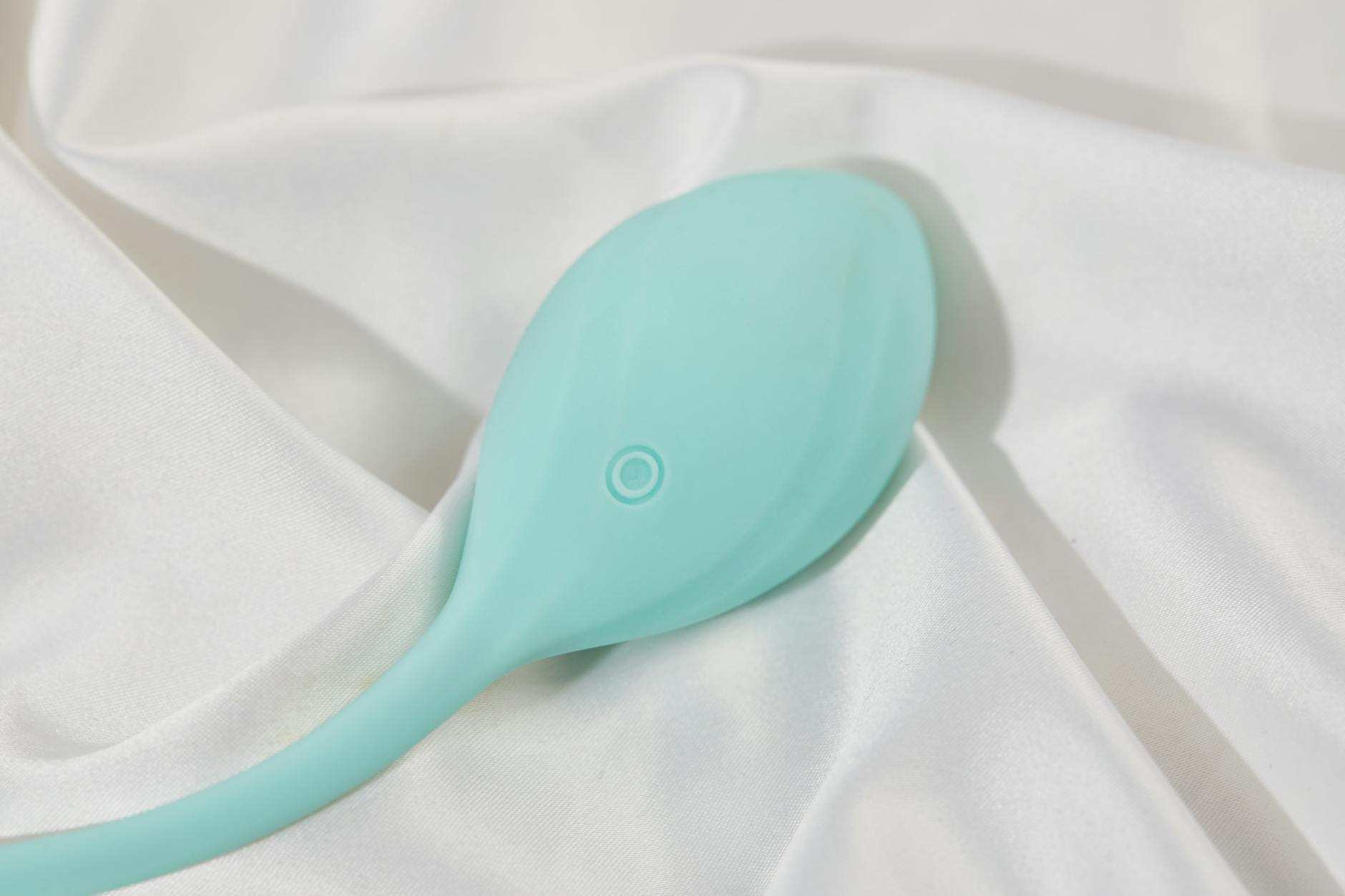
Lemon Vibrator Sensation When Hormones Shift
Here's the thing. You've been using your lemon clitoral vibrator the same way for months, and suddenly it doesn't hit the same. The sensation feels muted. Or maybe too intense. Or the orgasm that used to arrive reliably now takes forever or feels completely different.
Your first thought: something's wrong with the toy. Second thought: something's wrong with you. Third thought: maybe this whole thing was just a phase.
None of those are true. Hormones shifted, and with them, the way your body responds to any stimulation, including a lemon vibrator.
How hormones actually change clitoral sensitivity
Your cycle (or lack of one, or change in one) affects blood flow, tissue thickness, and neurotransmitter activity in ways that directly alter sensation. Estrogen peaks mid-cycle and drops sharply before your period. Progesterone rises after ovulation. If you're on birth control, these hormones are either suppressed or replaced entirely. If you're transitioning into or through perimenopause, they're on their way out.
Each of these states changes how your clitoris responds.
During the first half of your cycle, when estrogen is rising, blood flow to the vulva increases. Tissues swell slightly. Your clitoris becomes more sensitive and easier to stimulate. This is why many people find that lemon sucker devices and clitoral vibrators feel more intense mid-cycle. Your body isn't amplifying the toy. The toy is hitting a target that's already primed.
After ovulation, progesterone takes over. Blood flow softens. Sensitivity drops a little. If you've switched to a new birth control or increased your dose, progesterone might be elevated all month, which means your baseline sensitivity has shifted down. That lemon vibrator setting that felt perfect before now feels like it's barely there.
Birth control and lemon vibrator sensation
This is the big one. Birth control changes how you experience pleasure, and I say that not to alarm you but to help you stop feeling broken.
Hormonal birth control suppresses your natural hormone cycle. Your estrogen and progesterone are lower and flatter all month. For some people, this means clitoral sensitivity drops across the board. For others, it means they lose the mid-cycle peak entirely, so they never experience that heightened sensation window. A few people report that constant low hormones actually make sensation more stable and predictable, which they prefer.
Missing or shifting birth control can also cause the change. If you forgot a pill, started a new brand, switched from pills to an IUD, or went off hormonal birth control entirely, your sensitivity baseline will shift over the next two to three weeks as your natural hormones recalibrate.
Here's what helps: if you're on hormonal birth control and your lemon clitoral vibrator suddenly feels different, give yourself three weeks before you assume something's permanently wrong. Your body needs time to adapt. In the meantime, try starting one pattern lower than you usually do, use extra lubricant, and give yourself longer warm-up time. Most people find their rhythm again quickly.
If the change is uncomfortable or persistent, talk to your prescriber about switching methods. A different birth control formulation, a lower dose, or a non-hormonal option like the copper IUD can feel completely different in your body.
What happens when your cycle stops or changes
Periods are wild. They don't just turn off. They fade. They get heavier, then lighter. They skip months. They come twice in one month. During this transition, hormones are all over the map.
One week, your lemon vibrator feels amazing. The next week, the same setting feels invasive or numb. This isn't your imagination. It's real hormonal volatility, and it's temporary.
The adjustment: track it. I know that sounds clinical, but it helps. Note which days of your cycle a particular lemon sucker intensity or pattern feels best. After two or three cycles, a pattern will emerge. You'll find your window of peak sensation, and you can plan around it. Or you can use that information to adjust settings week to week.
Many people also find that taking a short break between sessions during low-sensation weeks helps. A few days rest actually improves sensitivity when your hormones rebound.
Postpartum hormones and lemon clitoral vibrators
Pregnancy is an estrogen bath. Birth is an estrogen cliff. If you just gave birth and your lemon vibrator feels totally different, this is why. Your estrogen dropped by 90 percent in one week.
Add breastfeeding into this, and estrogen stays suppressed. Prolactin rises. Your entire sensation landscape has shifted.
Most people don't feel ready for penetrative sex or clitoral stimulation for six to eight weeks postpartum anyway, so the sensation change is less noticeable. But when you do come back to pleasure, expect a recalibration. You might be more sensitive because tissues are still recovering. You might be less sensitive because of hormonal changes. Both are normal.
The practical fix: start low, go slow, and use plenty of water-based lubricant. Your tissues are adjusting, and a gentle lemon vibrator approach respects that.
Stress hormones and what cortisol does to your body
This one catches people off guard because it has nothing to do with reproductive hormones. But cortisol, your stress hormone, is a major player in whether you can feel pleasure at all.
When cortisol is high, blood flow diverts from your genitals toward your muscles and brain. Your clitoris gets less blood. Your tissues are less engorged. Sensation flattens. Your lemon clitoral vibrator might feel like you're playing it through a blanket.
High stress, poor sleep, overtraining at the gym, or a major life transition can spike cortisol for weeks at a time. This is why pleasure often disappears during stressful periods, not because anything's broken but because your nervous system is in protection mode.
What helps: lower the stakes. Use your lemon vibrator as a tool to relax, not to achieve. Try lower patterns and longer sessions. Add breathwork or gentle music. Make it about sensation and presence, not outcome. As stress decreases, sensation returns.
When to actually adjust your approach
If your hormone-related sensation shift lasts longer than a month, try these changes.
Increase warm-up time. Give yourself 15 to 20 minutes of foreplay or manual stimulation before you use a lemon sucker or any clitoral vibrator. Hormonal changes slow blood flow, so patience matters more.
Add lubricant. Water-based lube isn't just for friction. It amplifies sensation and makes stimulation feel more intense. If hormones have thinned your natural lubrication, external lube becomes essential.
Drop the pattern intensity. Start one or two settings lower than you normally would. You can always turn it up once sensation builds. Starting too high when hormones are depleted often feels overwhelming, not good.
Take breaks. Spacing sessions two to three days apart actually improves sensitivity over time compared to daily use during hormonally low periods. Your nervous system needs time to reset.
Switch methods. A lemon clitoral vibrator works differently than a traditional vibrator. If lemon suction suddenly feels too intense because hormones have shifted your sensitivity, a gentler method or lower suction pattern might feel better.
When hormonal changes mean something bigger
Sometimes sensation loss signals something worth checking in with a doctor about. If you've suddenly lost all sensation and nothing has changed, if sensation loss comes with pain or discharge, or if it lingers for more than two months despite trying these adjustments, talk to your GP or gynecologist.
Thyroid changes, vitamin deficiencies, depression, and certain medications can all affect sensation alongside hormonal shifts. A good healthcare provider can rule those out.
The bigger picture
Your body is not a machine with consistent settings. It's a complex system responding to hormones, stress, sleep, nutrition, and emotional state. A lemon vibrator works the same way every time, but you don't. That's not a flaw. That's just how bodies work.
When your lemon clitoral vibrator suddenly feels different, the first instinct is to feel broken. The second is to blame the toy. The actual answer is usually simpler. Hormones shifted. Your body adapted. And with a little awareness and adjustment, pleasure comes back, often better than before.
If you're in the thick of figuring this out, start with the adjustments above. Track what works. Give yourself grace for the weeks when sensation is low. And if the change persists, reach out to someone who can look at your full picture. You're not the first person to navigate this, and you won't be the last.
FAQ
Can birth control permanently change how a lemon vibrator feels?
Not permanently, but it can create a lasting shift in your baseline sensation while you're on it. Different birth control formulations have different hormone levels, and they affect clitoral sensitivity in different ways. If you switch birth control, expect about three weeks for your body to recalibrate. If your current method has dampened sensation for months, you might genuinely prefer a different option. Talk to your prescriber about trying something with a different hormone dose or switching to a non-hormonal method like a copper IUD.
Why does my lemon sucker feel more intense during certain weeks of my cycle?
Mid-cycle (around ovulation), estrogen peaks, blood flow to your vulva increases, and tissues swell. Your clitoris becomes more engorged and sensitive. This is why clitoral vibrators, including lemon suction toys, often feel stronger mid-cycle. After ovulation, progesterone rises, blood flow softens, and sensitivity drops. It's not the toy changing. It's your body priming itself differently depending on where you are in your cycle. You can use this knowledge to plan when you use your lemon vibrator or to adjust intensity based on the week.
Does hormonal IUD affect lemon clitoral vibrator sensation differently than birth control pills?
Yes and no. A hormonal IUD releases a small, steady dose of progestin directly into your uterus with minimal systemic absorption, so many people experience fewer overall hormonal side effects than with birth control pills. However, some people still notice a baseline drop in clitoral sensitivity because progestin does suppress some estrogen activity. A copper IUD (non-hormonal) won't affect sensation at all, which is one reason some people switch to it. If a hormonal IUD has flattened your sensation, try the warm-up and lubrication adjustments first. If that doesn't help, talk to your provider about switching to copper or a different method.
Why does my lemon vibrator feel numb right before my period?
Progesterone peaks just before your period, and blood flow to your genitals actually decreases in this phase. Tissues are less engorged, and your clitoris is less sensitive. This is also why many people experience less desire and pleasure in the luteal phase (after ovulation). It's not that your toy broke or you lost capacity. It's that your hormones have shifted your baseline. Try lower intensity, more lubrication, and longer warm-up during this week. Or use it as a signal to take a pleasure break and come back when hormones rebound.
Can stress hormones really reduce how much I feel a lemon sucker?
Absolutely. High cortisol (your stress hormone) diverts blood flow away from your genitals. Your clitoris gets less blood, tissues don't engorge as much, and sensation flattens. This is why pleasure often disappears during stressful periods even if nothing hormonal has changed. The fix isn't a stronger lemon clitoral vibrator. It's lowering stress and giving your nervous system permission to relax. Try using your vibrator in a low-pressure way. Skip the goal of orgasm and just focus on sensation. Add calming music or breathwork. As stress decreases, sensation comes back.
How long does sensation usually return after hormonal birth control changes?
Most people recalibrate within two to four weeks after starting, stopping, or switching birth control. Your body needs time to adjust to the new hormonal baseline. In that window, expect some fluctuation in sensation. Use lower intensity settings, add lubricant, and give yourself longer warm-up time. If after a month sensation hasn't improved or has gotten worse, talk to your prescriber. You might need a different formulation or method. Some people also find that adding a supplement like vitamin B6 or magnesium helps during the adjustment window, though check with your doctor first.
References and sources
This article draws on clinical research in sexual medicine, reproductive endocrinology, and relationship science. Key concepts include:
- Estrogen's role in clitoral blood flow and tissue sensitivity (sexual medicine journals)
- Hormonal contraceptive effects on sexual sensation and desire (reproductive health literature)
- Cortisol's impact on genital blood flow and arousal (neuroendocrinology)
- Postpartum hormonal recovery and sexual function timelines
- Cycle tracking for pleasure optimization (evidence-based sexual wellness)
For personalized guidance on how your specific hormonal situation affects pleasure, consult a gynecologist or certified sex therapist. If you're considering changes to birth control, always discuss with your prescriber.