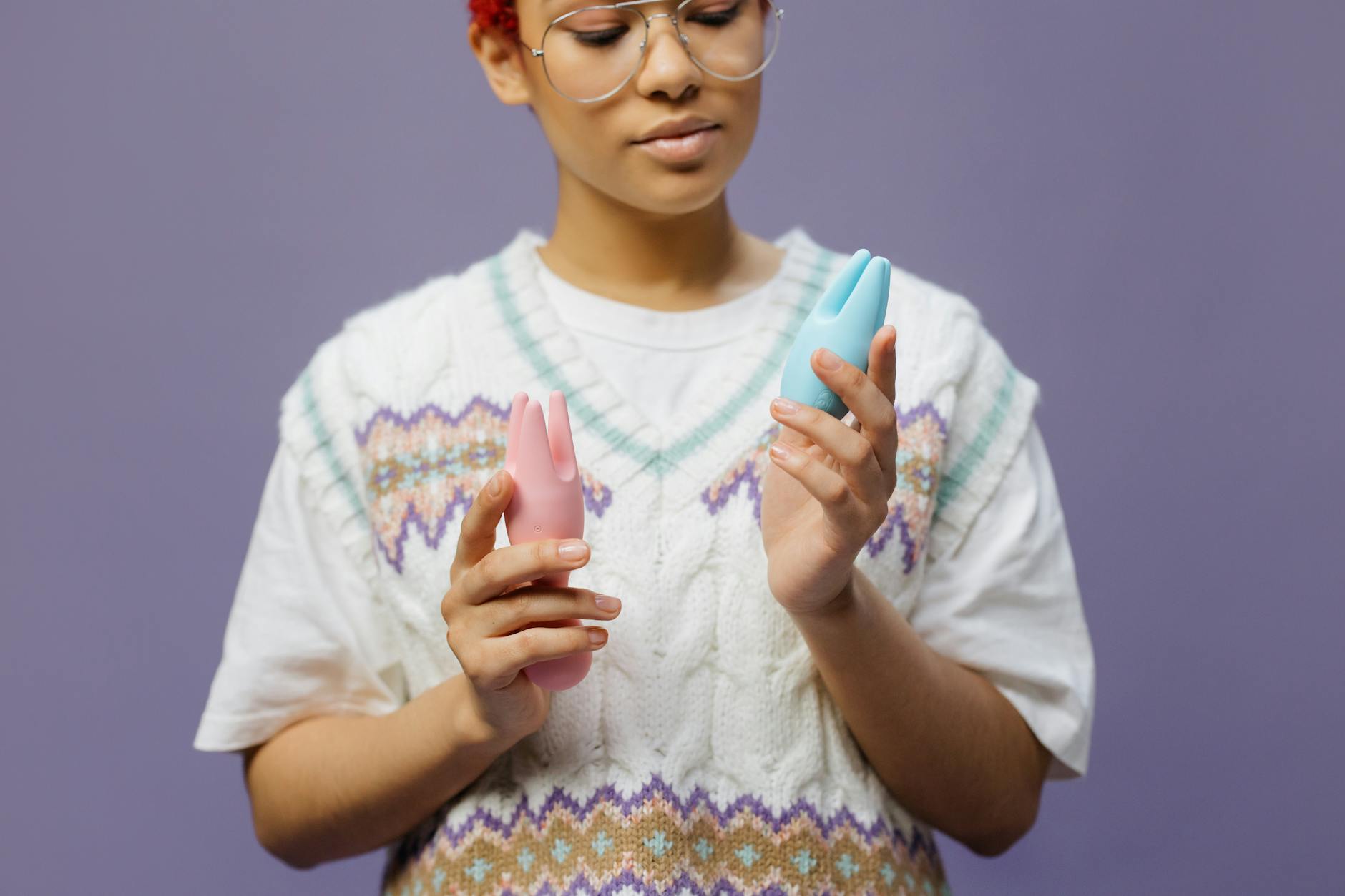
Let's talk about what happens when pleasure feels flat
You've been using your lemon vibrator regularly, and one day you notice something: the sensations aren't hitting the same way. That warm tingle has become a numb buzz. Orgasms feel distant or don't arrive at all. Your first instinct might be to blame the toy, your body, or assume you've somehow broken yourself permanently. Here's the thing. You haven't. What you're experiencing is clitoral fatigue, and it's totally reversible with the right recovery approach.
This is one of the most common questions I hear from people using lemon clitoral vibrators regularly, and it's rarely discussed honestly. The good news: understanding recovery timing transforms how you experience pleasure long-term.
What clitoral desensitization actually is
Your clitoris has roughly 8,000 nerve endings concentrated in a space the size of a pea. When you stimulate it intensely and repeatedly without adequate rest, those nerves become temporarily less responsive. This isn't nerve damage. It's nerve fatigue. Think of it like a muscle that's been worked hard without recovery days.
The mechanism is straightforward. Constant stimulation floods the area with sustained neural activity. Your nervous system adapts by becoming less reactive to that same level of input. Scientists call this "habituation." In practical terms, your clitoris stops registering the sensation as intensely novel or exciting because the signal hasn't been allowed to reset.
The suction stimulation from a lemon sucker or traditional lemon vibrator is particularly effective because it engages nerves differently than direct vibration alone. That's why people often experience stronger sensations faster. But that same efficiency means recovery becomes more important, not less.
How often is too often, really
There's no universal rule because bodies vary wildly. But research and clinical observation suggest a practical framework.
If you're using your lemon vibrator daily for multiple sessions, you're almost certainly experiencing some degree of fatigue. Daily use isn't inherently wrong, but it typically requires lower intensity, shorter duration, or both. Think 5 to 10 minutes at lower pattern settings rather than 20 minutes chasing harder orgasms.
If you're using your lemon clitoral vibrator every other day, you're in a safer zone. Most people maintain full sensitivity this way without intentional recovery days.
If you're using it 2 to 3 times weekly, you have the most flexibility. You could theoretically use multiple sessions without sensitivity loss, provided there's a 2 to 4 hour gap between them on the same day.
The critical variable isn't frequency alone. It's intensity plus duration. High intensity for 15 to 20 minutes daily will cause noticeable desensitization faster than moderate intensity for 10 minutes three times weekly.
The recovery timeline that actually works
Once you notice flatness in sensation, the question is how long to step back. Here's what the evidence suggests.
24 hours of rest: After an intense session, especially one involving multiple orgasms or sustained 20+ minute use, one full day without vibrator use allows significant nerve sensitivity recovery. Most people report restored sensation after a single rest day.
48 to 72 hours: If you've been using a lemon vibrator intensely or frequently for a week or longer, 2 to 3 days away resets sensitivity substantially. This is the sweet spot for recalibrating your baseline.
One week: If you've pushed into noticeable numbness or have been using daily for several weeks, a full week without your toy allows complete nervous system reset. This sounds extreme, but many people report their best orgasms in weeks happen within 24 hours of returning after a 7 day break.
The pattern to remember: brief rest (24 hours) handles acute fatigue. Longer breaks (3 to 7 days) rebuild baseline responsiveness. Listen to your body. If sensations feel muted but still pleasurable, a day off might suffice. If pleasure has almost disappeared, take 3 to 5 days.
Why your partner should understand this too
If you're in a relationship, clitoral recovery timing affects shared intimacy. Many couples mistakenly interpret sensitivity loss as waning desire or assume the partner isn't attractive anymore. That's almost never what's happening. It's mechanics, not emotion.
The honest conversation is simple: "My nervous system needs rest days to stay responsive. When I take breaks, everything feels more intense with you." This reframes recovery as an investment in mutual pleasure, not a rejection. You're both benefiting when you give your body time to reset.
The difference between rest and full abstinence
Rest doesn't mean abstinence. You can still enjoy sexual pleasure without your lemon vibrator. Manual stimulation, partnered touch, or other forms of intimacy don't typically cause the same desensitization because they don't provide the sustained, identical-pattern stimulation that a toy does. Your clitoris responds to variation. It doesn't adapt as quickly when the stimulus changes.
So on rest days, explore other sensations. Slow, varied manual touch. Partnered exploration. The goal is keeping your nervous system engaged without the specific fatigue pattern that causes desensitization.
The intensity-duration trade-off that extends pleasure
You don't have to choose between frequent use and sensitivity. You can have both by adjusting how you use your lemon vibrator. This is one of the most practical shifts I recommend.
Instead of using the highest intensity pattern (usually 6 to 8 on most devices) for 20 minutes, try pattern 3 or 4 for 8 to 12 minutes. The orgasm quality often improves because you're building sensation gradually rather than overwhelming your nerves from the start. You also recover faster, meaning you can use your toy more frequently without losing sensitivity.
Pattern shifting also extends the life of your battery and keeps the experience unpredictable. Your nervous system doesn't habituate to variation the way it does to repetition. Switching between patterns during a single session actually preserves sensitivity better than staying on one setting.
When you're tempted to skip recovery time
Honestly, the urge to use your lemon clitoral vibrator daily when you're in a routine that feels good is totally normal. You're chasing a reliable source of pleasure, and that makes sense. But pushing through sensitivity loss doesn't get you there faster. It delays it.
The paradox is real: slightly less frequent use usually delivers more intense pleasure per session because your nervous system has the bandwidth to respond fully. It's the same principle as tolerance in substances. Your body adapts to what you give it regularly. Recovery time prevents that adaptation.
If you're worried about losing momentum or feel like skipping a day means starting over, you're not. One day off rarely impacts your ability to reach orgasm next session. Two days off definitely doesn't. What it does is restore the sensation quality that makes orgasms feel worth having in the first place.
Rebuilding sensitivity after prolonged use
If you're already in a desensitization pattern, the recovery protocol is straightforward but requires patience. Most people regain full sensitivity within 5 to 10 days of avoiding vibrator use. That doesn't mean avoiding all pleasure. It means letting your clitoris reset by not using toys.
When you return after a break, start with lower intensity. Pattern 1 or 2 feels surprisingly good when your nerves aren't fatigued. Shorter sessions work better initially. You're rebuilding sensitivity gradually rather than jumping back to the intensity that caused the problem.
Many people find that their first orgasm after a recovery break is among the most intense they've experienced. That's because your nervous system hasn't adapted yet. It's still responsive to novel stimulation. That alone is often motivation to build recovery into regular use.
Recovery isn't a break from pleasure. It's the thing that makes pleasure feel like pleasure.
FAQs about lemon vibrator recovery and desensitization
Can you permanently damage your clitoris from vibrator use?
No. Clitoral nerve desensitization is fully reversible. There's no evidence that using a lemon vibrator or any clitoral vibrator causes permanent nerve damage. What you're experiencing when sensation dulls is temporary nervous system adaptation, which resolves with rest. Even people who've experienced noticeable numbness report full sensitivity return within days to weeks of stepping back.
Is one rest day per week enough to prevent desensitization?
For most people using their lemon vibrator regularly, yes. One full day weekly without toy use is usually sufficient to maintain baseline sensitivity if you're not using extremely high intensity settings. If you're pushing intensity limits or using multiple sessions daily, you'd benefit from 2 to 3 rest days weekly or shorter, lower-intensity sessions on use days.
How do you know if you're desensitized versus just needing more stimulation?
Desensitization usually feels like a plateau or decline from what you were experiencing previously. You notice sensations are muted compared to days or weeks ago. By contrast, needing more stimulation feels like a gradual progression where higher intensity always felt more intense, and you're building naturally. If you took a 3 day break and sensations dramatically improved, you were desensitized. If they stayed the same, you likely just prefer higher intensity settings, which is fine.
Should you avoid all sexual activity on rest days?
No. Rest days are about not using your lemon vibrator or similar toys, not about avoiding all sexual pleasure. Manual stimulation, partnered touch, or other forms of intimacy are beneficial on rest days because they provide varied sensation. Your clitoris actually benefits from experiencing different types of stimulation. It prevents the specific habituation pattern that identical-motion vibrator use can create.
Why do lemon vibrators cause desensitization faster than other toys?
Lemon clitoral vibrators and lemon suckers use suction stimulation, which is highly efficient at engaging nerve endings. That efficiency is why people often experience stronger sensations and orgasms faster. But it also means your nervous system adapts more quickly because the stimulation is novel and intense. The good news: recovery time is usually shorter too. Most people regain full sensitivity after 24 to 48 hours, whereas other stimulation types might require longer breaks.
Is using your lemon vibrator less frequently better for long-term pleasure?
Yes and no. The sweet spot for most people is using your lemon vibrator 2 to 4 times weekly at moderate intensity with recovery days built in. This frequency allows consistent pleasure without the adaptation that daily use creates. That said, many people enjoy daily or near-daily use if they're intentional about intensity and duration. The key is matching your usage pattern to a recovery rhythm your body can handle.
The bottom line on recovery and sustainable pleasure
Your lemon vibrator isn't going anywhere. You don't have to choose between frequent enjoyment and long-term sensitivity. What you need is rhythm. Use, rest, explore, reset. This pattern keeps pleasure sharp and orgasms intense indefinitely.
If you're noticing sensitivity changes, that's actually valuable information. It's your nervous system telling you it needs recovery time. Honoring that doesn't diminish pleasure. It enhances it by ensuring that when you do use your toy, your body responds fully. The best part? You usually get a few days of exploration and partnered intimacy out of your rest periods too. Rest becomes part of the pleasure cycle, not a pause in it.
Ready to bring back sensation depth? Start with one intentional rest day this week. Most people notice the difference after just 24 hours. From there, build a rhythm that keeps you responsive and satisfied long-term.