Here's what nobody tells you about vaginal atrophy
Vaginal atrophy is real. It's also wildly overnamed. The term makes it sound like your tissue is shrinking into nothing, which sends people into a panic. What's actually happening is more specific and, crucially, more fixable.
Estrogen drops. When it does, the vaginal lining gets thinner, less elastic, and produces less lubrication naturally. The tissue becomes more fragile and sensitive to pressure. But here's the part they skip: your clitoris doesn't change. Your nerve endings don't disappear. Your capacity for pleasure is still there. The friction just hurts more, which changes how you need to approach stimulation.
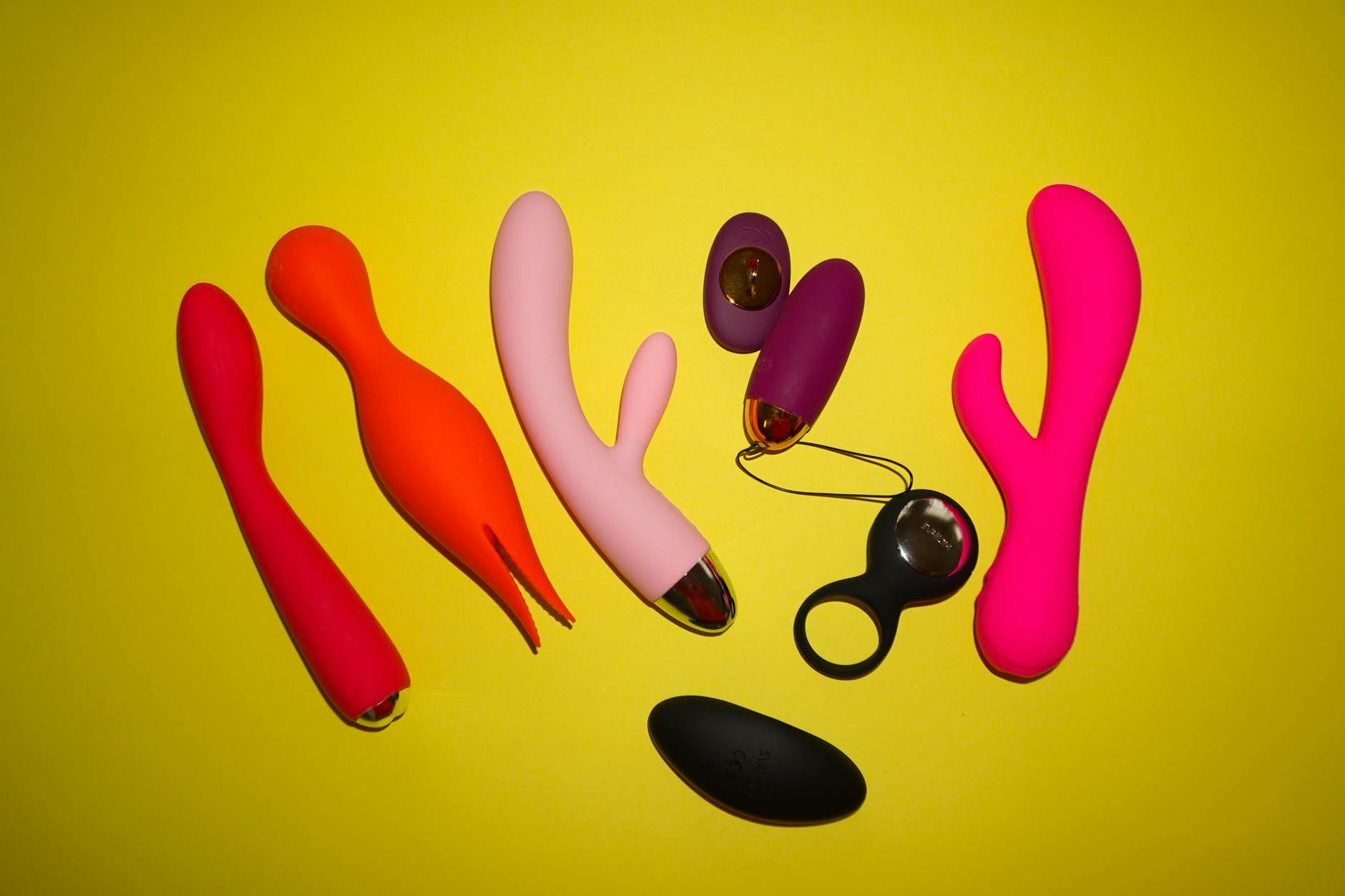
If you've been avoiding pleasure because touch feels uncomfortable, a lemon clitoral vibrator can actually be your way back in. But there's a specific way to do it.
What vaginal atrophy actually changes
Three main things shift when estrogen drops below a certain threshold.
Tissue thickness drops. The vaginal wall, labia, and vulva become thinner. This sounds like a small thing until you realize that thinner tissue bruises more easily. Direct friction that felt fine ten years ago now causes microabrasions, irritation, or that raw, chafed feeling that lasts for days.
Lubrication decreases dramatically. This is mechanical, not emotional. Your brain might be fully on board with pleasure. Your body just isn't producing the slip that makes sensation feel good instead of painful.
Sensitivity to pressure changes. This is the counterintuitive part. Some people report heightened sensitivity. Others find that the same vibration intensity they used before now feels too strong, too sharp, or too jarring against thinner tissue.
What doesn't change: clitoral nerve density, arousal capability, or your right to feel good. These are three separate systems, and understanding that distinction changes everything.
Why lemon clitoral vibrators work well for atrophy
A good lemon vibrator does three things that matter when tissue is fragile.
First, it concentrates stimulation on the clitoris instead of spreading pressure across sensitive internal tissue. If penetration or broad vulvar pressure causes pain, focusing on the external clitoris keeps you away from the most vulnerable areas. The clitoris has thousands of nerve endings in a small space. You don't need a lot of friction to create sensation.
Second, lemon vibrators use suction or gentle pulsing rather than direct abrasive friction. The Lem, for example, works via gentle suction that stimulates nerves without the same mechanical wear that direct vibration creates. No dragging. No scraping. Just stimulation.
Third, you control the intensity completely. Starting low and building gradually means you're not forcing irritated tissue to adapt to a preset intensity. You set the pace.
How to actually use a lemon vibrator when atrophy makes touch painful
Four changes to your usual approach.
Start with lubrication first, before the vibrator even arrives. Water-based lube is your foundation. Apply generously around the vulva, clitoris, and entrance. Don't be shy. You're not adding lube because something's wrong with you. You're adding it because your tissue needs a protective layer. This is identical to why swimmers use lotion or why athletes tape vulnerable joints. It's protective infrastructure.
Warm up for longer than feels necessary. When tissue is thinner, arousal takes longer to create the hormonal and circulatory changes that make sensation feel good. Budget 15 to 25 minutes before you even think about a vibrator. Some of that is touch. Some of that is mental foreplay, fantasy, or partnered conversation. Rushing skips the biological prep work that makes pleasure possible.
Start at the lowest setting and sit with it. Many people with atrophy switch the vibrator on, immediately feel like it's too weak, and crank it to level three or four. But low-level stimulation applied for longer creates arousal without irritation. Give setting one between five and ten minutes. Notice what shifts. Let your body respond. Only then move up.
Focus externally. Clitoral stimulation via a lemon vibrator means you're working outside the vaginal canal, away from the most sensitive and fragile tissue. This isn't compromise. It's strategy. The clitoris has more nerve endings per square inch than almost any other body part. You're going where the sensation is densest.
The role of topical estrogen (and when to ask about it)
If atrophy is severe enough to cause pain, topical estrogen creams change the game. These are applied directly to the vulva or inside the vagina. The dose is low because absorption is localized. Systemic effects are minimal. But the tissue response is real.
After four to six weeks of regular use, most people report that touch feels less painful, lubrication improves, and tissue becomes more elastic. This doesn't fix atrophy overnight, but it does shift the starting point. Pleasure becomes possible again without constant management.
If you're experiencing pain, this is worth discussing with a gynecologist or menopause specialist. You don't have to live with discomfort, and you absolutely don't have to choose between managing atrophy and having pleasure.
When partnered pleasure is part of the picture
If you have a partner, communication shifts. "My tissue is more fragile right now" is different from "I don't want you." The first is a logistical detail. The second is relationship news. Don't let them blur together.
Partners often assume that pain during sex means you're not interested in them. Clarify: you're interested in sensation without pain. You're exploring how pleasure works in your body right now. That's something you can do together.
A lemon vibrator can actually be a great bridge here. It lets you experience pleasure without needing the duration of time or the specific configuration that penetrative sex requires. Your partner can be present and involved without it being about penetration.
What to watch for (and when to stop)
If you notice bleeding, persistent burning that lasts hours after pleasure, or increased pain rather than decreased, stop and see a doctor. These can signal tissue trauma that needs attention.
Mild irritation that fades within an hour is usually normal. Skin reacting to new stimulation is predictable. But severe or persistent pain isn't something to push through. Your body is telling you something. Listen.
The longer view: this is not permanent
Vaginal atrophy can improve. With topical estrogen, systematic use of lubrication, and gradual tissue conditioning through gentle pleasure, things often get better over months. It's not a straight line. Some days feel easier than others. But the trajectory can absolutely trend toward greater comfort and sensation.
Your pleasure doesn't end when tissue gets thinner. It shifts. You learn new techniques, new pacing, new ways to create the sensation you want. And often, people find that this shift leads to deeper, more intentional pleasure because you're not defaulting to old patterns. You're building something new.
People also ask
Can you use a lemon vibrator with vaginal atrophy?
Yes, absolutely. A lemon clitoral vibrator is actually an ideal tool because it focuses stimulation externally, away from the most fragile tissue. The key is using lubricant generously, starting at low intensity, and warming up longer than usual. The clitoris doesn't atrophy the way internal tissue does, so external stimulation often remains pleasurable even when internal sensation feels uncomfortable.
How long does it take for topical estrogen cream to help with atrophy pain?
Most people notice improvement within two to four weeks of regular use. Tissue thickness and lubrication improve gradually. Pain during sex or touch typically decreases first. Full tissue improvement can take eight to twelve weeks. Consistency matters. If you're using it, use it as prescribed, not sporadically.
Is vaginal atrophy the same as vaginal dryness?
No, though they're related. Vaginal dryness is about lubrication. Vaginal atrophy is about tissue thickness and elasticity. You can have dryness without atrophy (sometimes just from dehydration or certain medications). You can also have atrophy with normal lubrication production. Understanding which one you're experiencing helps you choose the right solution.
Does atrophy get worse if you don't use the area?
Not exactly. The tissue won't deteriorate faster from non-use. But here's the thing: gentle, regular stimulation actually improves blood flow to the tissue, which supports elasticity and regeneration. Regular pleasure with a lemon vibrator and adequate lubrication can actually help tissue improve over time. Non-use doesn't worsen it, but strategic, gentle use can help it.
Can atrophy return after topical estrogen treatment stops?
Yes. For some people, atrophy is ongoing and needs ongoing management. For others, especially if hormone levels stabilize or other factors improve, symptoms can improve permanently. Your doctor can help you figure out whether you need long-term treatment or if a break is possible. Don't assume you're on the cream forever. Check in regularly about your specific situation.
What's the difference between atrophy pain and normal adjustment pain when using a new vibrator?
Normal adjustment pain is localized, mild, and fades within an hour. It might feel like mild irritation or sensitivity as your tissue gets used to new stimulation. Atrophy pain is usually sharper, more persistent, and doesn't resolve quickly. If you're experiencing anything beyond mild adjustment sensitivity, pause and use extra lubrication. If it continues, check with a healthcare provider. Pain is information.
The reality check
Vaginal atrophy is treatable. Pleasure is absolutely possible. You might need different tools, more lubrication, different pacing, or professional support. Those are practical adjustments, not character flaws. Your body is responding normally to real biological changes. The tools and strategies exist to help you move through it.
If you're unsure where to start, book a conversation with your gynecologist or a menopause specialist. They can assess what you're experiencing and recommend specific treatments. Pleasure doesn't have to feel difficult. Sometimes it just needs a different approach. A lemon clitoral vibrator is an excellent one to try.