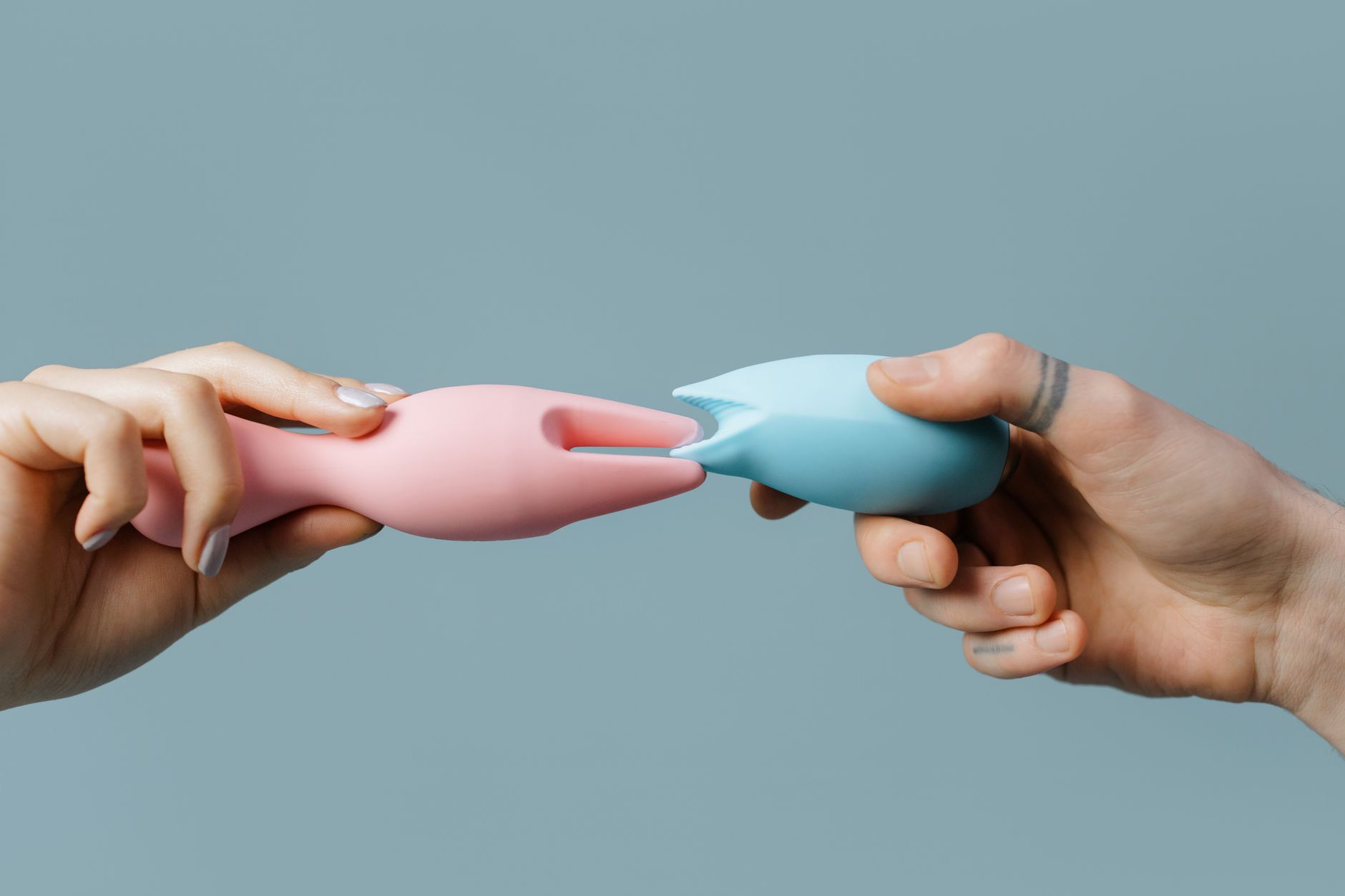
Let's talk about timing
Your arousal used to show up faster. Now it doesn't. You're not broken, you're not less sexual, and this isn't a personal failure. What's actually happening is your body is asking for something different, and nobody bothered to teach you the language.
Here's the thing: most sexual advice is written for bodies that accelerate like a sports car. Five minutes of foreplay, off you go. But arousal doesn't work like that for everyone, and it works less like that the more you live. Stress, medication, relationship changes, aging, stress again. All of these genuinely slow your system down.
A lemon clitoral vibrator isn't magic. But it is strategic. The right approach turns slower arousal from a problem into a structure that actually gets you to better orgasms than you were having before.
Why arousal slows down in the first place
Three major culprits, and knowing which one is yours changes the whole strategy.
Mental load. Your brain is running seven tabs at once: work stress, relationship tension, whether you remembered to pay that bill, what you're making for dinner tomorrow. Arousal requires mental presence. You can't feel your body if your brain is in a different building.
Hormonal factors. Birth control, stopping birth control, stress hormones, thyroid changes, and yes, aging all shift how fast your nervous system ramps up. This is biochemical, not psychological. Your desire hasn't changed. Your baseline arousal speed has.
Physical disconnection. If you haven't prioritized your own pleasure in a while, or you've been in a relationship where your body doesn't feel safe exploring, your nervous system takes longer to trust that it's actually okay to turn on.
Likely you're dealing with two or three of these at once. That's normal.
The warm-up phase: what actually needs to happen
Slower arousal isn't a bug. It's a feature, and it requires a different architecture than quickie sex.
Most people skip the warm-up phase entirely because they think faster is better. Wrong. Slower arousal often produces stronger orgasms because your nervous system has time to actually build tension instead of just releasing whatever was already there.
The warm-up needs three things:
1. Mental permission. You have to actually decide this is your time. Phone in another room, bathroom breaks done, conversation with your partner if you have one about not expecting a quickie. Your nervous system won't turn on if it's bracing for interruption.
2. Gentle external stimulation. Not with the vibrator yet. Touch your own body, feel your skin temperature rise. Let your partner touch you if that works. The goal is to signal to your brain that pleasure is coming. This takes 10-20 minutes for slower arousal systems.
3. Breathing and body awareness. Slow, intentional breathing activates your parasympathetic nervous system, which is what actually lets arousal build. Most people hold their breath when they're trying to come. Your body can't relax into pleasure if you're tensed up.
Once you've done this prep work, your body is actually ready for a vibrator. Not before.
How to use a Lemon vibrator in the arousal-building phase
Here's where your lemon clitoral vibrator becomes genuinely useful and not just another toy.
Start low and stay there longer than feels natural. Most people crank a vibrator to full intensity immediately. If your arousal is slow to build, start on pattern 1 or 2 for a solid 5-10 minutes before you even think about turning it up. Your nervous system needs time to register the sensation, not be shocked by it.
Focus on the outer tissue first. The clitoris has a glans and a shaft, and you probably only know about the glans. The outer area, the labia, the vestibule, these all have nerve endings. Use your lemon vibrator on these spots before you even touch the glans directly. This extends the warm-up phase and builds arousal gradually instead of all at once.
Vary the pattern, not the intensity. Lemon toys have different patterns. Move through them slowly instead of immediately going to the strongest one. This keeps your nervous system engaged and interested without overstimulating.
Take breaks. Here's the wild part: arousal actually builds better with breaks. Stop for 30 seconds, breathe, notice what's happening in your body, then continue. This isn't procrastination. It's how slower arousal systems actually work.
When you follow this, you're usually looking at 20-30 minutes total before you reach the kind of arousal that leads to good orgasms. That's fine. That's actually the point.
The mental side of staying with slower arousal
Your brain is going to rebel against this. It will tell you that you're taking too long, that something's wrong, that you should just push harder and get there faster. Ignore it.
The most common mistake I see is people trying to force intensity before their body is ready. This creates frustration, which tanks arousal further. Now you're in a loop: slow arousal, frustration about slowness, arousal tanks, frustration increases.
Instead, reframe the slower timeline as the actual goal. You're not trying to rush to an orgasm. You're practicing building sustained pleasure. This is a skill that changes your entire sexual life.
If you're partnered, talk about this with them. Make sure they understand that slower isn't less sexy. It's different. Some partners get genuinely turned on by being a part of a longer warm-up. Others feel disconnected. Sort that out before you're in the middle of it.
When to move to intensity
Your body will tell you when it's ready. You'll notice your breathing shifts, your skin feels more sensitive, you actually want more sensation instead of being ambivalent about it.
Once you're there, your lemon sexual toy becomes a finishing tool. Move to higher intensity, keep going with patterns that work, and let your nervous system do what it's been building toward.
The orgasms that come from this slower buildup are often deeper. People describe them as more full-body instead of just localized. Whether that's your experience or not, at least you'll actually reach orgasm instead of spending 40 minutes frustrated that nothing's happening.
When slower arousal points to something else
If you've always had slow arousal and you're just now trying to figure out how to work with it, the techniques above will help significantly. But if your arousal suddenly became slower and you can't trace it to a life change or a medication adjustment, it's worth checking in with a doctor.
Dropped libido can signal thyroid issues, depression, hormonal changes you didn't know were coming, or medications that are tanking your baseline arousal. A good GP will ask questions and help you figure out what's actually happening instead of just telling you it's normal.
It might still be normal for you. But you deserve to know whether there's a physical reason versus a situational one.
Using a Lemon vibrator for extended sessions
Once you understand how to build arousal slowly, you can actually use that to your advantage with longer sessions.
Instead of 20 minutes total, try 45 minutes. Spend the first 20 in the warm-up phase. Spend the next 15 exploring different patterns and intensities without the goal of coming. Spend the last 10 going for it if you want to, or just stopping there if you're enjoying the sensation.
This extended approach is particularly useful if you're dealing with arousal that's affected by antidepressants or other medications. Your body might not actually reach orgasm, but the pleasure itself becomes the point. That's not settling. That's reclaiming your sexuality on your body's timeline.
The bottom line on patience
Slower arousal feels like a problem because you've been taught that faster is better. It isn't. What's better is whatever actually gets you to pleasure without frustration.
Your lemon clitoral vibrator is a tool, not a cheat code. But when you use it correctly with slower arousal, when you give your nervous system the time it actually needs, you usually end up with better sensations, better orgasms, and a relationship with your own body that feels less like a race and more like an actual practice.
That's worth the extra 15 minutes.
People also ask
How long does it take for arousal to build when it's slow?
It varies widely, but for slower arousal systems, expect 15-30 minutes of gentle stimulation before your body is ready for intensity. This is normal and healthy. The timeline matters less than the actual sensation. Some days it takes 20 minutes, other days 40. That's fine.
Can a Lemon vibrator actually help speed up arousal?
Not speed it up, but organize it better. When you use a lemon clitoral vibrator intentionally during the warm-up phase instead of jumping straight to it, you're working with your nervous system instead of against it. That makes the whole experience feel more pleasurable, even if the timeline doesn't actually change.
Is slow arousal a sign something's wrong with my relationship?
Not necessarily. Slow arousal is often about body biochemistry, stress levels, or medication, not relationship satisfaction. That said, if you feel emotionally distant from your partner, that will absolutely slow arousal down. How to Use a Lemon Vibrator When Communication With Your Partner Feels Strained explores this more directly.
What if my partner gets frustrated with slower arousal?
This is a conversation, not a vibrator problem. Your partner needs to understand that your arousal speed isn't a reflection of how attracted you are to them. If they're pushing for faster intensity before your body is ready, you're going to stay stuck. Talk about what turns you on, what the actual timeline looks like, and whether they can be part of it or whether you need solo time. How to Use a Lemon Vibrator When Your Partner Isn't Interested in Toys has more on navigating that.
Does medication make arousal slower?
Yes. Antidepressants, birth control, blood pressure medication, and antihistamines can all affect arousal speed. Talk to your prescriber about whether your medication is likely doing this. Sometimes switching timing, dosage, or the drug itself helps. Sometimes you just need to adjust your expectations and technique, which is where a lemon vibrator actually shines.
Should I be using lube with slower arousal?
Usually yes. Slower arousal often means less natural lubrication builds up as quickly. Using a water-based lube removes friction that can actually slow things down further. It's not a failure. It's just how bodies work.