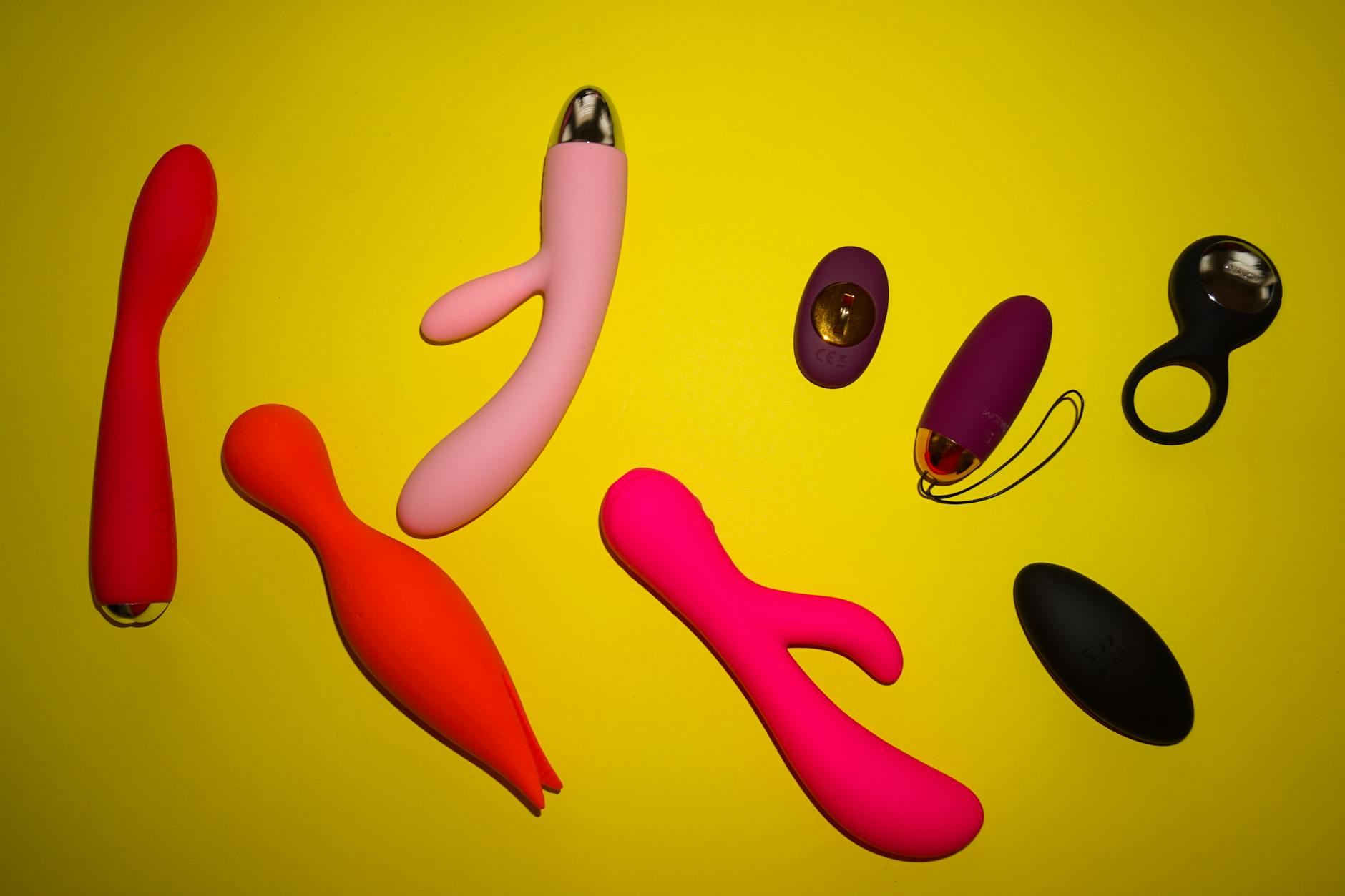
When arousal just stops showing up
Let's be real. There's a difference between "I'm not in the mood tonight" and "I haven't felt aroused in months." One is a rhythm. The other is your nervous system telling you something has shut down.
Arousal blockage isn't a character flaw or a sign you're broken. It's your body's way of saying: something here doesn't feel safe, or manageable, or worth the effort. That something might be stress, relationship tension, medication side effects, burnout, or a combination so tangled you can't pick apart the threads. The point is, arousal doesn't vanish for no reason. And it doesn't return because you white-knuckle your way back to it.
What changes things is nervous system regulation. A lemon vibrator, used strategically, can be that tool.
Why vibration works when desire has disappeared
Here's the neuroscience: arousal requires your parasympathetic nervous system to turn on. That's your "rest and digest" mode. When you're stressed, grieving, burnt out, or stuck in relationship conflict, your sympathetic system (fight-or-flight) is running the show. Your brain is too busy scanning for threats to bother with pleasure.
Vibration has a unique power. It's not about intensity or fantasy. It's about involuntary stimulus. When the Lem or another quality lemon vibrator contacts your clitoris, your nervous system registers something your thinking brain didn't have to negotiate into existence. It's passive input in a system that's been stuck in active override.
This is why starting with zero pressure works. You're not trying to climax. You're not trying to feel sexy or desirable. You're teaching your body that stimulation can happen without threat.
The arousal reboot protocol
If pleasure has completely disappeared, this is the sequence that works:
Week 1-2: No expectation of response
Set a timer for ten minutes. Use your lemon vibrator on the lowest pattern (pattern 1 on the Lem is perfect). Don't aim for orgasm. Don't try to "feel something." The goal is to spend time with sensation without judgment.
You might feel nothing. You might feel numbness, irritation, or disconnection. All of those are information. None of them mean you're failing. The work is showing up, not in the outcome.
Use plenty of water-based lubricant. Thinner tissue when arousal has been absent for a long time needs support. Friction without lubrication triggers protective tension, which locks down the nervous system more.
Week 3-4: Noticing without forcing
Still low intensity. Still no pressure to respond. But this time, notice what you notice. Temperature change. Texture. Rhythm. Micro-movements. You're building a sensory vocabulary again, one that doesn't require arousal to exist.
If thoughts arise (and they will), don't fight them. Notice: "There's a thought about whether this is working." Then return to sensation. This is meditation with a vibrator. The practice is in returning, not in having a blank mind.
Week 5+: Extending duration, staying low
If sensation is starting to register, extend to fifteen or twenty minutes. Keep intensity the same. The goal now is deepening familiarity, not chasing climax. Some people notice that arousal starts to whisper back into their body around week four or five. Others take longer. There's no timer on this.
When your mind is the biggest blocker
Many people with arousal blockage also have a narrator running commentary: "This isn't working. I should be feeling something by now. Am I broken? Is my partner disappointed that I can't?" That narrator is part of the problem.
The lemon sexual toys work best when you're alone, early in recovery. Your nervous system doesn't have to manage your own pleasure while also monitoring a partner's response. Pressure kills the process.
Set boundaries with yourself. If you reach for your vibrator and anxiety floods in within thirty seconds, that's fine. Stop. Go for a walk. Try again in two days. Forcing this is the same as the pressure that blocked you in the first place.
What changes in your relationship during this process
If you're partnered, your arousal blockage probably landed on them like a weight. They might be worried, frustrated, or hurt. None of that solves the problem.
The most useful thing you can do is separate the two conversations. "My body is in a recovery phase and I'm working with a vibrator to rebuild sensation" is different from "We need to talk about what's been happening between us." You can have both. But trying to solve relationship rupture while you're also trying to unlock frozen pleasure won't work.
Many people find that once they've spent a few weeks rewiring their nervous system with a lemon vibrator solo, the conversation with their partner becomes easier. You're not coming to them from a place of desperation or shame. You're coming with information: "Here's what I discovered. Here's what might actually help."
When to seek outside help
If arousal blockage has persisted for six months or longer, or if you're experiencing pain alongside the numbness, talking to a therapist who specializes in sexual health or somatic work is worth the investment. Sometimes arousal blockage is trauma held in the body. Sometimes it's depression. Sometimes it's a medication interaction your doctor can address. The vibrator is a tool, not a replacement for professional support.
A lemon clitoral vibrator can absolutely be part of your healing. It's not the whole picture if something deeper is stuck.
The slow return to wanting
One thing I've seen happen in my practice is that people get frustrated with the timeline. They want arousal to snap back into place in three weeks. The nervous system doesn't work on a deadline.
But here's what does happen if you stay consistent: somewhere between week four and week twelve, something shifts. Not necessarily a surge of desire. But maybe a moment where you reach for the Lem and think "Okay, this is nice" instead of "This isn't working." That's the change. That's the indicator that your body is beginning to trust sensation again.
And from there, things build. Slowly. But they build.
FAQ: Arousal blockage and lemon vibrators
How long before a lemon vibrator actually reignites desire?
There's no fixed timeline. Some people notice shifts in two to three weeks. Others need two to three months. The variable isn't the quality of the lemon vibrator. It's how long you've been blocked, what's underneath that blockage, and whether your nervous system feels safe enough to relax. Trust the process over the clock.
Can I use a lemon vibrator while still stressed if I'm trying to fix arousal blockage?
Yes, but with one caveat: vibration during stress can sometimes feel overwhelming to a dysregulated nervous system. If you notice that using your vibrator makes you feel more anxious or tense, pause. You might need to address the stress first through breathwork, therapy, or life changes. The vibrator should eventually feel calming, not jangling. If it doesn't, that's information.
Is it normal to feel nothing when using a lemon adult toy if arousal has been blocked?
Completely normal. Numbness is often the nervous system's protection mechanism. By staying consistent with low-pressure, low-expectation sessions, you're gradually convincing your body that sensation is safe again. Feeling nothing today doesn't mean you won't feel something in two weeks.
Should I use a lemon vibrator alone or with my partner if my arousal is blocked?
Start alone. Your nervous system has enough to manage without also processing your partner's presence or expectations. Once sensation is returning and you feel curious about partnered exploration, you can expand from there. Solo work is your foundation.
What if I've tried a lemon vibrator and still feel no change after two months?
That's the moment to bring in a professional. A sex therapist or somatic practitioner can help you understand what's underneath the blockage. Sometimes it's trauma. Sometimes it's a medical issue. Sometimes it's relational. The vibrator is excellent at rewiring sensation. It's not equipped to diagnose or treat deeper issues.
Can antidepressants or other medications affect arousal blockage that a vibrator can help with?
Medications can absolutely suppress arousal. If you started medication around the time arousal disappeared, that's worth discussing with your prescriber. A lemon vibrator can sometimes help build sensation even while medicated, but if the medication is the root, you might need to adjust that first. Work with both your doctor and a sex therapist if possible.
Your arousal didn't disappear because you're broken
It disappeared because your nervous system needed a break. The lemon sexual toys from Lemon Suckers aren't magic, but they are a tool for teaching your body that sensation is possible again, on your timeline, with zero pressure.
The journey back to desire doesn't have to look like the journey away. It can be slower, gentler, more attuned to what actually feels good. That's not a compromise. That's an upgrade.
If you're stuck and not sure where to start, reach out. We're here to help you figure out what makes sense for your body.
Sources and further reading
Komisaruk, B. R., & Whipple, B. (2005). Functional MRI of the brain during orgasm in women with complete spinal cord injury. Progress in Brain Research, 152, 127-139.
Polack, S., et al. (2019). The relationship between depression and sexual dysfunction: A systematic review of the literature. Sexual Medicine Reviews, 7(4), 589-601.
Basson, R. (2000). The female sexual response: A different model. Journal of Sex & Marital Therapy, 26(1), 51-65.
For support on reconnecting after arousal blockage, explore how communication strategies can help when intimacy feels strained or discover what happens when stress interrupts your physical connection.