Let's name what's actually happened
You've been together for years, but somewhere along the way, physical intimacy stopped. Maybe it was work, kids, a slow argument that never fully resolved, or just the weight of unspoken resentment. The distance didn't happen overnight. It built up so gradually that by the time you both noticed, it felt insurmountable.
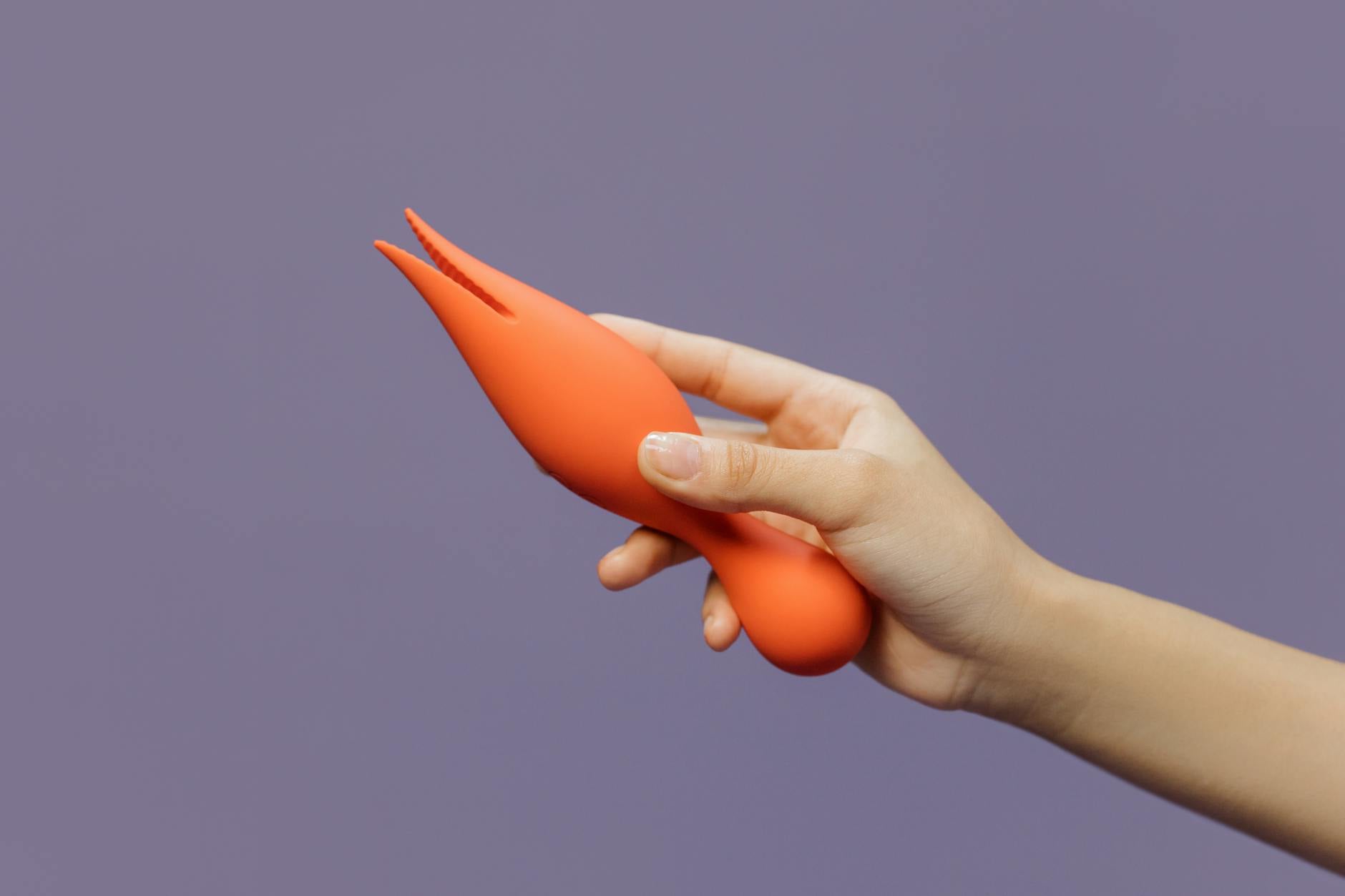
Here's what most couples don't realize: pleasure itself is a form of communication. When you've lost words, lemon vibrators and other clitoral tools give you a new language to speak with.
Why reconnecting through pleasure actually works
Research on couples therapy shows that shared novelty reduces defensiveness. When you introduce something new together into the bedroom, your brain literally can't maintain the same conflict narrative it was running before. You're creating new neural pathways together. That's not poetic. That's neuroscience.
More practically: pleasure is permission. Many couples stuck in emotional distance stay stuck because every conversation about sex becomes a conversation about the relationship. "Why don't you want me anymore?" becomes "What did I do wrong?" becomes an argument about something from three years ago. When you instead say, "I want to explore something new together," you're bypassing that trap.
For one partner to use a lemon clitoral vibrator during sex with you isn't a criticism of what you were doing before. It's not a sign that you're not enough. It's actually the opposite. It's a way of saying, "I want more pleasure, and I want you to be part of discovering it."
The conversation that has to happen first
Don't bring a vibrator home and expect it to fix things on its own. That's how you end up with an expensive toy and deeper resentment.
Instead, have this conversation outside the bedroom, at a time when you're both calm. Not after an argument. Not when you're tired. Ideally over coffee or a walk, somewhere neutral.
Start with your own side of the street. "I miss feeling close to you. I've noticed we've drifted, and I take responsibility for that. I don't know if you've felt it too, but I want to try something different." Then tell them what you're thinking. "I'd like to explore using a toy together. Not because anything is wrong, but because I think it could help us reconnect."
If they say no, that's important data. It tells you that the issue isn't just about pleasure. There's something deeper happening. That might require couples therapy before you bring toys into the picture. And that's okay. Knowing what the real problem is beats dancing around it for another three years.
If they're open to it, relief usually follows. Many partners are actually relieved to hear that you want to try something new instead of just accepting the distance as permanent.
Starting small, building trust
Don't leap straight to partner penetration. Start with something you can control together that feels less loaded.
Try this: Have your partner hold a lemon vibrator on your clitoris while you're inside them or they're inside you. This keeps them involved and in control of the rhythm and intensity. They get to watch your face, feel your body respond, and participate in creating your pleasure. That participation matters. It's not passive. It's collaborative.
Alternatively, use the vibrator on yourself while they watch. Not alone. Together. They're in the room, maybe inside you, maybe touching you in other ways, but you're leading your own pleasure. This is less threatening for partners who worry that toys are a replacement rather than an addition.
A lemon vibrator's design is particularly useful here because the suction-based stimulation feels different from fingers or penetration, so it doesn't create a direct comparison. You're not saying, "Your touch wasn't working." You're saying, "This is a different sensation, and I want to experience it with you."
What you might notice happening
Something shifts when you start having pleasure together again. Not immediately, but usually within a few weeks.
First, the touch becomes less loaded. Because you're focused on sensation rather than performance or obligation, the pressure drops. That pressure was probably killing your desire in the first place.
Second, conversation naturally returns. "That felt good." "Can you hold it there?" "Try this pattern." You're talking about something concrete and positive, not about the state of the relationship. But paradoxically, rebuilding the physical conversation helps the emotional one. You start remembering how to collaborate.
Third, you might discover that one or both of you actually had pleasure intact. It was never gone. It was just buried under distance and hurt. Uncovering it feels like finding something you thought you'd lost.
When one partner is more interested than the other
If your partner is hesitant about using lemon sexual toys specifically, it might not be about the vibrator itself. It might be that they feel self-conscious, or they're worried about being judged, or they think toys are a threat to their masculinity or role.
Here's the move: let them take the lead on how the toy gets used. "I'm interested in exploring this together. How would feel comfortable trying it?" Maybe they hold it. Maybe they control it. Maybe they never touch it directly, but they guide you on how you use it. Different partners need different entry points.
If one partner is significantly more interested in reconnection than the other, that's also important data. It doesn't mean the relationship is broken. It means one person is more ready to repair it right now. That's actually workable. You might need a couples therapist to help bridge that gap, but toys won't solve it on their own.
The role of communication, the actual communication
Honestly though. The vibrator isn't the magic. The magic is that you're agreeing to try something together. You're saying, "Even though we're stuck, I want to get unstuck with you." That's the thing.
After you've used a lemon clitoral vibrator together a few times and something has shifted, that's when you can start having the bigger conversations. "I noticed things felt different tonight." "Yeah, it did." "I want more of that." "So do I."
Those conversations are still hard, but they're happening from a place of collaboration instead of defensiveness. You're building something together instead of just complaining about what's broken.
What to actually buy, and why
If you're new to using vibrators together, start with something straightforward. A quality lemon clitoral vibrator is designed specifically for the sensitivity of the vulva and gives you multiple intensities to work with. That flexibility matters when you're figuring out what feels good.
Avoid anything too complex for a first toy. You want something you can operate without reading a manual while someone is watching. Buttons should be intuitive. The vibration patterns should be easy to control.
Material matters too. Silicone is safe, easy to clean, and feels good. Avoid toys with seams or sharp edges, especially if tissues are sensitive after a long period of no use.
Real expectations
Using lemon vibrators together won't fix a broken relationship by itself. If there's active betrayal, ongoing affairs, financial abuse, or contempt, no toy is going to bridge that. You probably need a therapist, and you might need to have harder conversations about whether you both actually want to be together.
But if the issue is that emotional distance has translated into physical distance, and you both actually want the relationship to work, shared pleasure is a genuinely powerful reset button. It's not a substitute for the work of rebuilding trust and communication. It's a companion to that work.
Most couples I work with find that reconnecting physically gives them the emotional safety to finally have the conversations they've been avoiding. You remember that you like each other. You remember that you enjoy each other's company. That changes everything.